
The best time to visit the Acropolis is at 8:00 AM to beat the heat and avoid heavy cruise ship crowds, or during the last two hours before closing for a stunning sunset view. Ideally, aim for spring (April–May) or autumn (September–October) to enjoy pleasant weather and avoid the extreme summer heat waves.
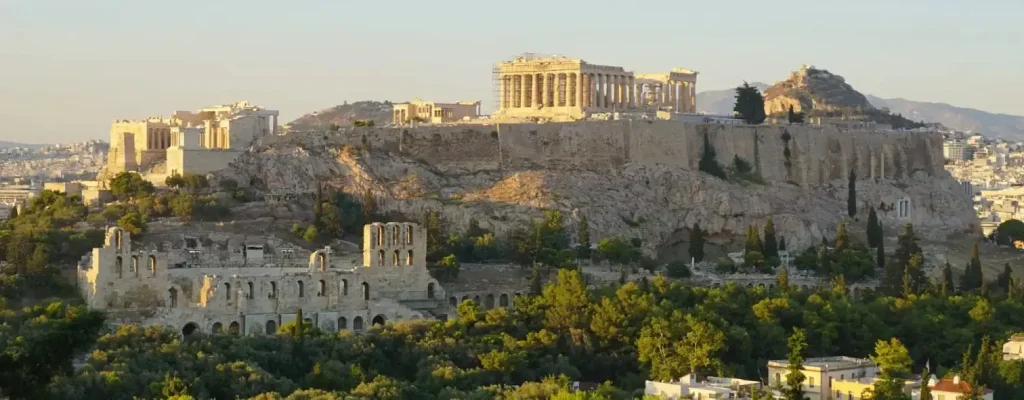
The Acropolis, the most visited archaeological site in Greece, faces a growing influx of tourists every year, especially from large cruise ship groups arriving mid-morning, which can transform a sightseeing visit into a struggle between the crowd and the heat.
The 8:00 AM opening time has become the gold standard for visiting the Acropolis, offering temperatures that are 5-10°C cooler than midday and minimal crowds before the massive cruise ship influx.
This timing is crucial because cruise ships represent a significant challenge – approximately 1.5 million cruise tourists visited Athens in 2023 (a 40% increase), with the Piraeus port handling up to 11 ships simultaneously. These cruise passengers typically arrive at the Acropolis between 9-10 AM, accounting for roughly 50% of daily visitors and creating critical bottlenecks during late morning hours.
The early morning advantage extends beyond avoiding crowds. You’ll experience the site in its most pristine state, with soft morning light illuminating the white Pentelic marble and a contemplative atmosphere that’s impossible to find later in the day.
In addition, the mandatory time slot system implemented in April 2024 means morning slots (9-11 AM) sell out first during high season, making the 8:00 AM entry not just the best experience but often the most available option.
Some users on the internet, specifically on Reddit, have also shared their preference for the morning schedule. Regarding this, one of them indicated: “I think mornings are better and then you can have a coffee at the rooftop of the Acropolis museum, which you should also visit,” a recommendation you should take into account if you plan to visit the Acropolis and have enough time!
However, if you are one of those who prefer to sleep a bit more, just like this other Reddit user, you might follow their recommendation: “To avoid the crowds, they say the best time is early mornings on weekdays. I myself am not an early morning person though. I like to get food and coffee first. My favorite time to visit is at sunset. In the summer, it’s really cool as there are fewer people, the lighting is more dramatic, it’s not as hot, and you get to see the lowering of the flag ceremony. After this, everyone walks out together as the sun sets in the distance.”
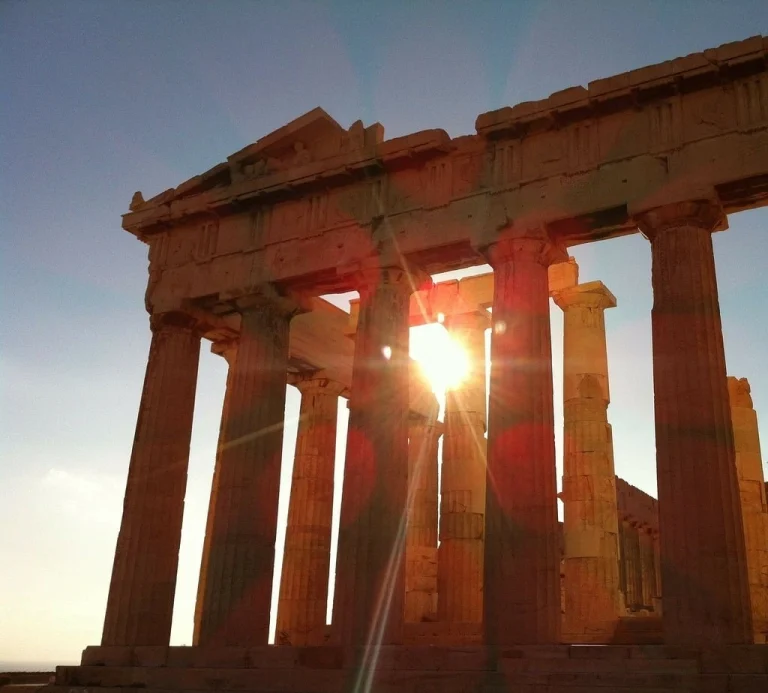
The last two hours before closing offer a premium experience with 70% fewer crowds as tour groups and families head to dinner. The warm evening light creates dramatic illumination on the ancient marble, perfect for photography and romantic occasions, as the Reddit user anticipated.
During summer, arriving at 6:00 PM for an 8:00 PM closure allows you to capture the golden hour magic while enjoying significantly more space to explore and contemplate. Regarding this, another user on Reddit commented: “I went late afternoon, like 2h before closing, both times and it was nice and quiet(er) than mornings (unless you’re in super early). The sun isn’t as harsh and it’s harder to get tired (especially if you go in summer).”
Athens traditionally celebrates the summer full moon nights, with the Acropolis, the Parthenon, and the surrounding hill serving as the perfect backdrop to create a totally magical atmosphere that tourists used to enjoy. Yes, we speak in the past tense because, previously, the main archaeological site would open its doors for visitors to enjoy the ancient city under the moonlight. However, due to increasing crowds and security and conservation considerations, the format of these events has evolved, shifting the focus to the Acropolis Museum and panoramic viewpoints across the city that offer incomparable views of the illuminated temple under the night sky.
The Acropolis Museum maintains extended hours until midnight during full moon nights (such as August 9, 2025), offering continuous access from 9:00 AM with last entry at 11:30 PM at regular summer rates (€10). Please note that official confirmation for the 2026 August Full Moon event schedule at the Acropolis Museum has not been released yet.
For authentic full moon experiences with Acropolis views, consider alternative locations like Pnyx Hill, Thisio, or rooftop venues throughout the city.
As we mentioned before, besides knowing the best time to visit the Acropolis, you must also think about the time of year. In this case, remember that Athens’ Mediterranean climate often has great contrasts between the scorching summer and the shoulder seasons, directly affecting tourist influx, sun intensity, and the possibility of unexpected site closures. If you want to combine ideal weather conditions with easier crowd management, you should focus your attention on the spring and autumn months:
April-May and September–October represent the sweet spot for Acropolis visits, combining comfortable temperatures with manageable crowd levels. Spring offers 19-24°C temperatures with 13-14 hours of daylight and minimal rainfall (6-8 days per month), while autumn provides similar benefits with September at 26°C (more manageable than peak summer) and October’s perfect 20°C. Both seasons see significantly reduced crowds compared to the overwhelming summer influx of over 16,000 daily visitors.
On the other hand, summer presents serious challenges beyond typical tourist congestion. Regular maximum temperatures of 32-33°C frequently reach 35-40°C, with heat waves pushing temperatures above 42°C. The Greek Ministry of Culture has implemented automatic closure protocols. The site closes from 1:00-5:00 PM when temperatures exceed 40°C, a measure that was triggered multiple times during 2024-2025’s record-breaking heat.
IMPORTANT: the Acropolis experiences a specific microclimate intensification due to Athens’ urban heat island effect (up to 3.5°C during heat waves) and its exposed hilltop location at 107 meters elevation with minimal shade. The ancient marble and stone surfaces absorb and radiate intense heat, meaning site conditions can feel 2-5°C hotter than official Athens temperature readings. It is especially important that you avoid midday hours in summer and stay well informed about the weather and extreme conditions.
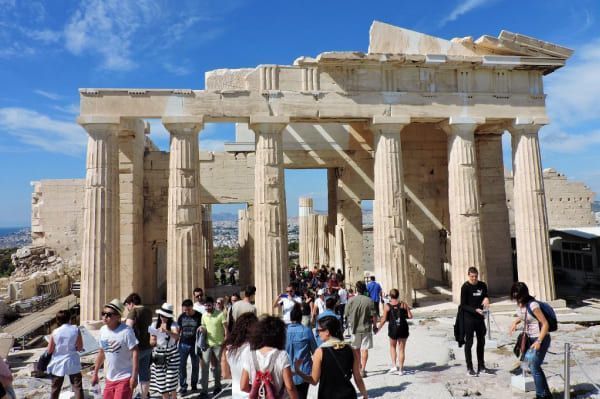
Acropolis & Parthenon tickets
If you are going to book a ticket for the Acropolis, you should know that since April 2024, the Acropolis operates under a strict time slot reservation system with a maximum capacity of 20,000 daily visitors. You must book in advance, selecting your specific entry time up to 3 months ahead.
Yes, you can visit the Acropolis for free on any of the free entry days. These dates are managed by the Greek State and correspond to the policies of the Greek Ministry of Culture and Sports for national archaeological sites:
| Date | Occasion |
|---|---|
| March 6 | In memory of Melina Mercouri (actress and former Minister of Culture) |
| April 18 | International Day for Monuments |
| May 18 | International Museum Day |
| Last weekend of September | European Heritage Days |
| October 28 | Oxi Day (National Holiday) |
| First Sunday of each month | From November to March |
Keep in mind that on these dates, as they are free access days, there is usually a greater influx of people. Therefore, if you want to avoid long queues and walking around surrounded by many people, it would be best to avoid the days mentioned in the table.
Strategic timing is your most powerful tool against the Acropolis crowds. As we have already mentioned, the 9-11 AM window sees the heaviest congestion due to cruise ship arrivals – with up to 11 ships docking simultaneously at Piraeus port, approximately 2,000-4,000 cruise passengers flood the site during late morning hours. This cruise impact represents roughly 50% of daily visitors and creates the most challenging bottlenecks.
Tuesday and Thursday are consistently the best days for smaller crowds, while weekends (Saturday and Sunday) see maximum congestion from both tourists and locals. Consider using the southeast lateral entrance, which is significantly less congested than the main western entrance. The key is mandatory advance booking through the official platform – morning slots sell out first during high season, making early reservation essential for securing optimal time slots.
Planning your visit duration depends entirely on your interests and available time. If you only have limited time, such as being a cruise passenger, a quick 1-to-1.5 hour visit will allow you to cover the main monuments from the exterior.
For a more thorough exploration, including all major structures and the slopes, you should set aside 2 to 3 hours, which is perfect for combining with the Acropolis Museum on the same day. However, if you are a history enthusiast, you should plan for 4 or more hours in total, dividing your time between the archaeological site and an extensive museum visit.
For the most enthusiastic, the official Acropolis Museum digital guide (Smartify) is completely free and transforms your experience through QR code scanning and audio tours covering either 30 or 60 exhibitions. The app offers native Greek and English content with automatic translation to 29 languages, plus a special 90-minute family exploration game format that makes the visit engaging for children. Additional digital resources include the Acropolis Museum Kids website with interactive games and videos, 3D virtual tours on the official website, and free WiFi throughout the entire museum complex.
If you’re looking for the best way to see the Acropolis, you can take advantage of your visit to take a tour of different points of interest:
The Ancient Agora requires 2-3 hours and features the best-preserved classical temple (Temple of Hephaestus), located just 10 minutes walking from the Acropolis. The Roman Agora needs 1-2 hours for the Tower of the Winds and Gate of Athena Archegetis, while the Temple of Olympian Zeus (15 surviving columns from a project that took 700 years to complete) can be covered in 1-2 hours.
Critical update: The official €30 combined five-day ticket was discontinued in April 2024 – you now need individual tickets for each site.
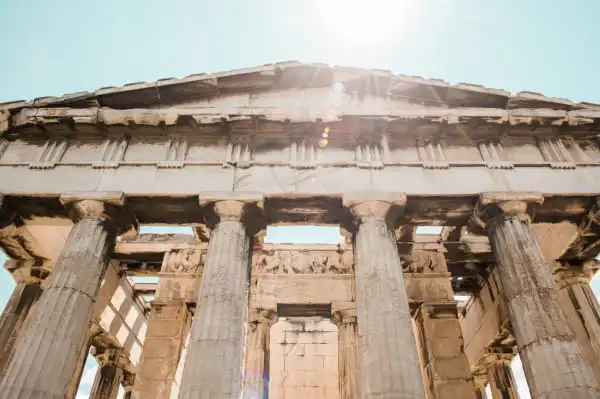
The Acropolis of Athens is Greece’s most popular tourist destination. The Parthenon, the Erechtheion, and the Propylaia are just a few of the…
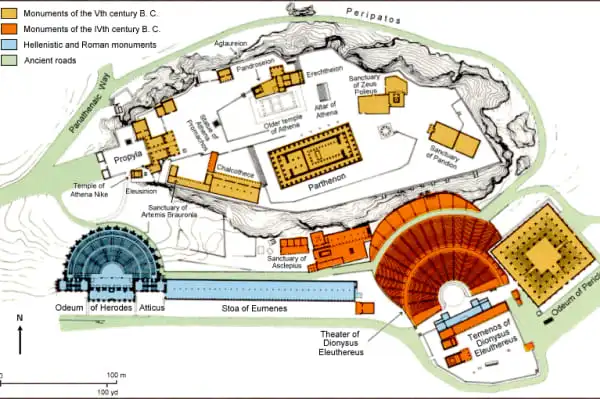
The Acropolis has played a significant role in Greek history and culture and is widely regarded as one of the most important archaeological…
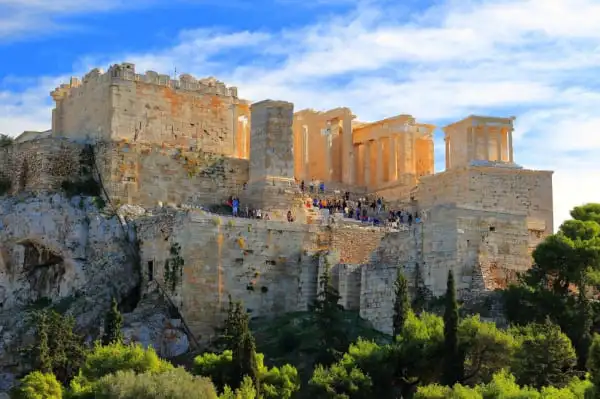
Taking the metro is a quick and convenient option for getting to the Acropolis in Athens. There are two metro stations that can be used to re…


