
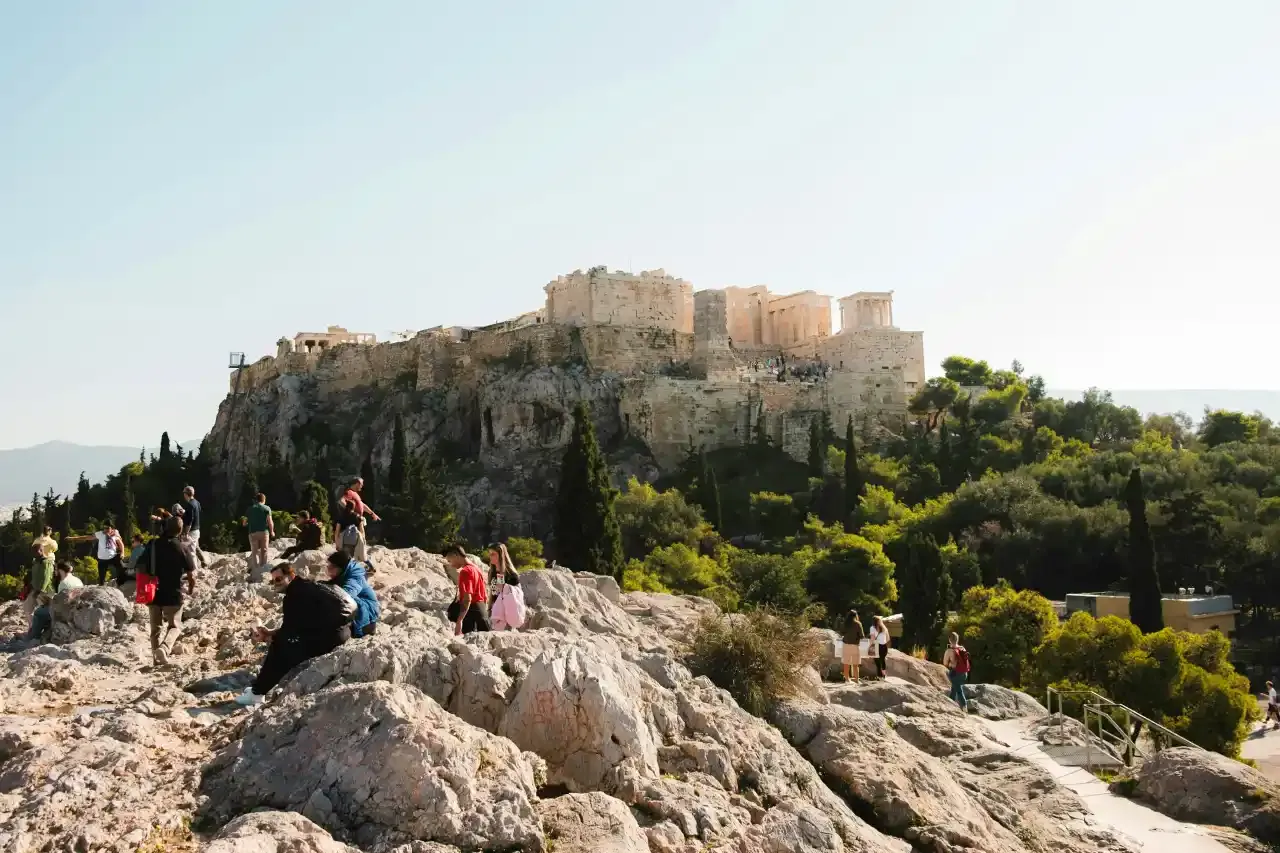
How to get to the Acropolis
Understanding the various transportation options and pedestrian routes is essential for a seamless journey to the ancient site. Reviewing how to get to the Acropolis ensures you can select the most efficient path via metro, bus, or walking to reach the hilltop without any delays.
Where is the Acropolis located?
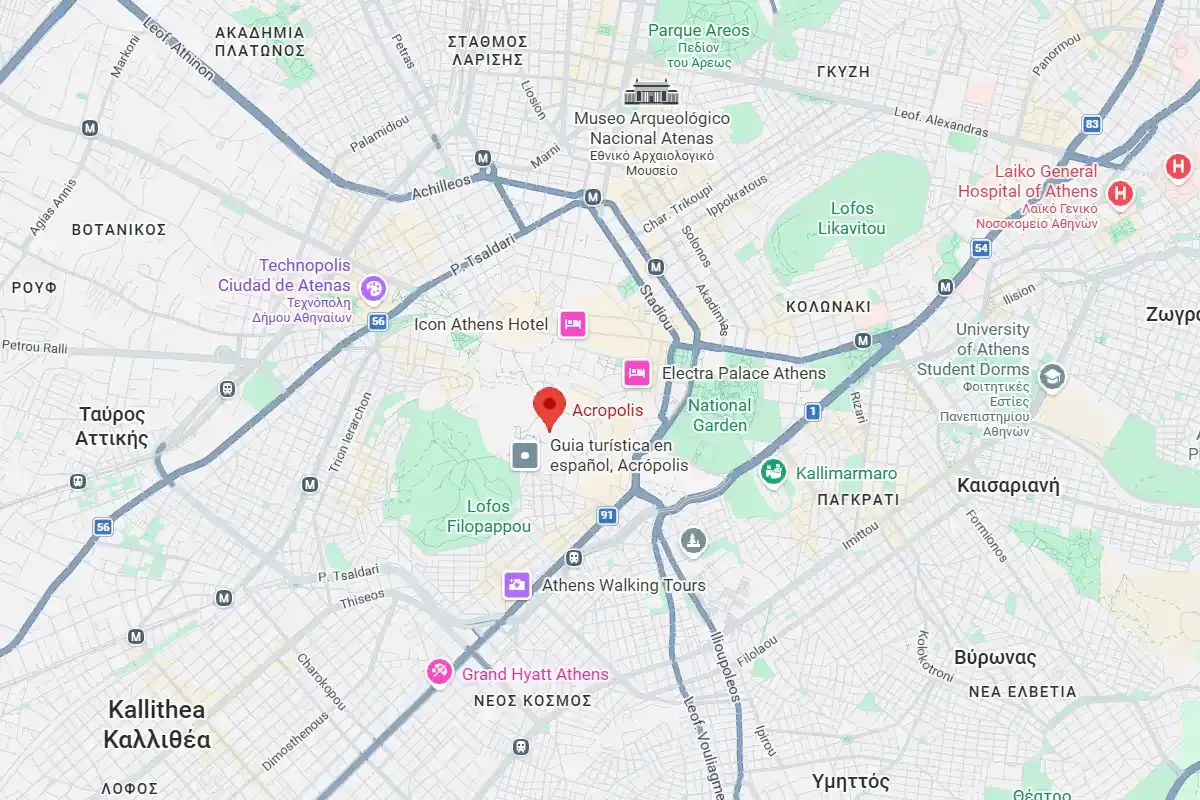
Where is the Acropolis located?
In the heart of Athens, Greece, on a rocky outcrop, stands the Acropolis, a well-known ancient landmark. The hill, standing at 156 meters high, is located just south of the modern city center and is easily visible from many parts of the city. Each year, millions of people visit this site, which is regarded as one of the most significant in the whole globe.
The Acropolis consists of several ancient buildings and monuments, including the iconic Parthenon, which was built in the 5th century BC as a temple dedicated to the goddess Athena. The Temple of Athena Nike, a modest Ionic temple, the Propylaea, a majestic entranceway, and the Erechtheion, a complex temple with various distinctive elements, are some of the other noteworthy buildings on the Acropolis.
Getting to the Acropolis
| Transport Mode | Station / Route | Details & Tips |
|---|---|---|
| Metro (Line 2 - Red) | Acropoli Station | The closest option. Only a 5-minute walk uphill to the main entrance. |
| Metro (Line 1 - Green) | Thissio Station | A scenic 10–15 minute walk through a lively area. |
| Metro (From Airport) | Line 3 (Blue) → Line 2 (Red) | Take Line 3 to Syntagma, transfer to Line 2, and exit at Acropoli Station. |
| Bus | Akropoli or Makrygianni Stops | Lines include 230, 040, 035, 550, and A2. From the airport, take Bus X95 to Syntagma. |
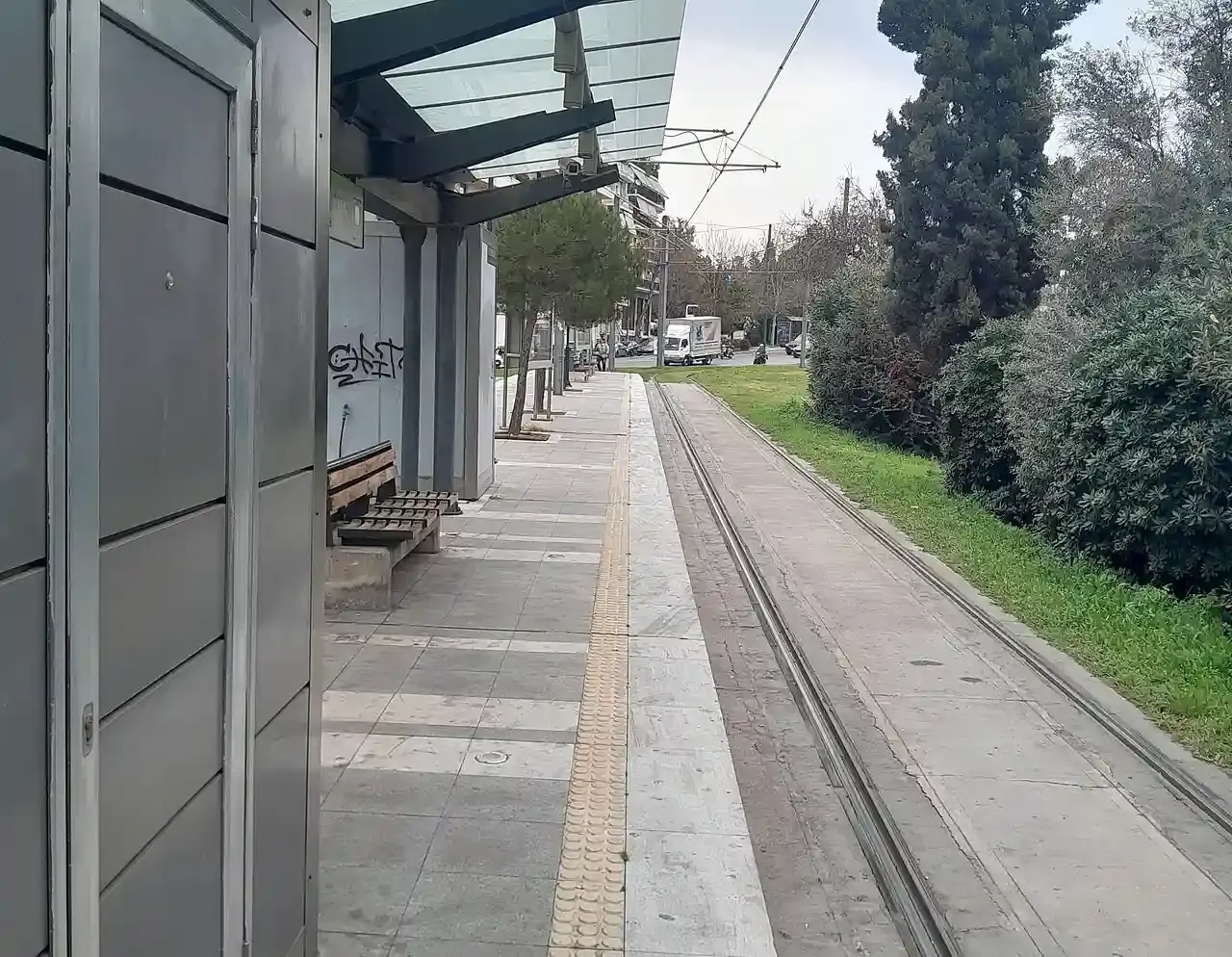
| Tram | Line T6 (Leoforos Vouliagmenis) | Provides access to both entrances of the archaeological site. |
| Taxi | Direct Drop-off | Convenient and flexible. Available via taxi apps or street hailing. |
| Private Car | Various Parking Lots | Not recommended due to traffic. Parking options: Acropolis Museum, Pnyka, Makrygianni, or Polygnotou. |
Different ways to go to the top
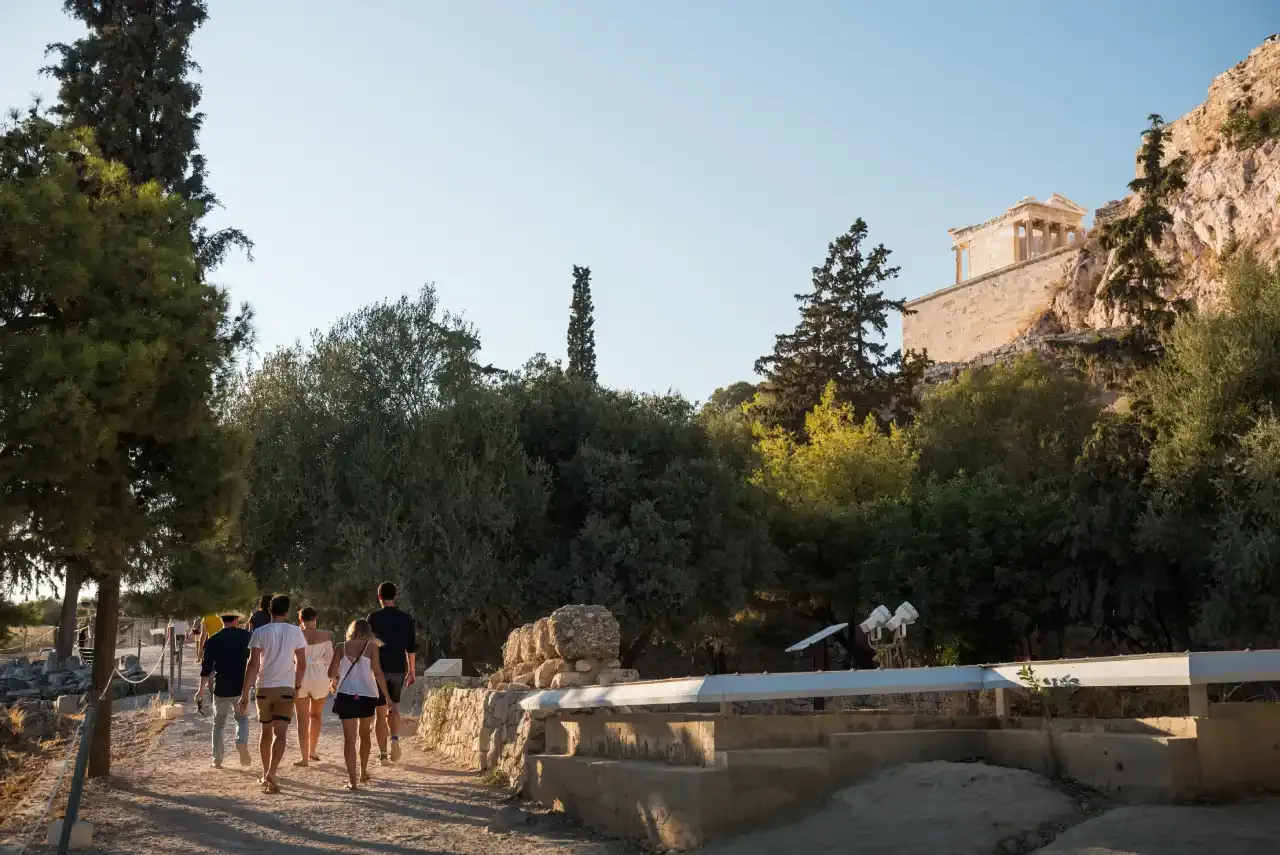
On foot
Walking to the site is one of the most rewarding ways to experience the city's ancient charm. To find the best path for how to get to the Acropolis on foot, you should head toward the grand pedestrian promenade of Dionysiou Areopagitou. This scenic walkway circles the base of the hill, offering breathtaking views of the Odeon of Herodes Atticus before leading you to the main entrance.
Alternatively, wandering through the narrow, picturesque streets of the Plaka district provides a historic atmosphere that connects the modern city to the ancient world. This uphill stroll is not only a great way to avoid traffic but also allows you to discover hidden ruins and traditional architecture along the way.




What is the best way to get to the Acropolis?
In summary, and based on our recommendations, the best way to get to the Acropolis is by using the metro, especially if you are looking for the quickest and most hassle-free route. You can take Line 2 (the Red Line) and get off at the Acropoli Station, which is just a few minutes walk from the main entrance. Although this option is the most recommended way to get to the Acropolis, especially if it’s your first visit, we suggest being mindful of your belongings. As one user on Reddit indicates, "be very careful of pickpockets on that route, especially with kids/luggage, etc."
Alternatively, you can take a taxi if you prefer a more direct ride, but public transport is generally the smartest choice for an efficient trip when deciding how to get to the Acropolis.
Where was the Acropolis located?
The Acropolis sits exactly where it has always been, perched on a rocky limestone hill rising about 156 meters above sea level.
But why here specifically? Well, the ancient Athenians weren’t just looking for a nice view (though they definitely got one). This elevated position was strategic. Think about it: a flat-topped rock formation that towers over the surrounding city made it incredibly easy to defend. Any potential invaders would have to climb steep slopes while defenders had the high ground, which in ancient warfare was basically everything you could ask for.
The Acropolis wasn’t just built to be admired, it was built to watch over Athens like a guardian. The ancient architects understood that the hill itself was part of the monument, that the temples would feel more powerful, more divine, rising from this natural pedestal.
So yes, the Acropolis has stayed put for over 2,500 years, weathering everything from Persian invasions to modern pollution, still holding its ground on that same limestone outcrop where it all began.
How far apart are the Acropolis and the Parthenon?
Another question that often confuses travelers is how far apart the Acropolis and the Parthenon are. If you’ve also wondered about this, you should remember that the Parthenon is located on the Acropolis. The Acropolis is the entire fortified hill, or citadel, and the Parthenon is the largest and most famous temple, situated at its highest point.
Therefore, the distance between the two is minimal. Once you have passed through the Propylaea (the monumental gateway to the Acropolis), you only need to take a short walk of about 80 to 100 meters (approximately 260 to 330 feet) to reach the Parthenon.
Where is the Acropolis Museum located?
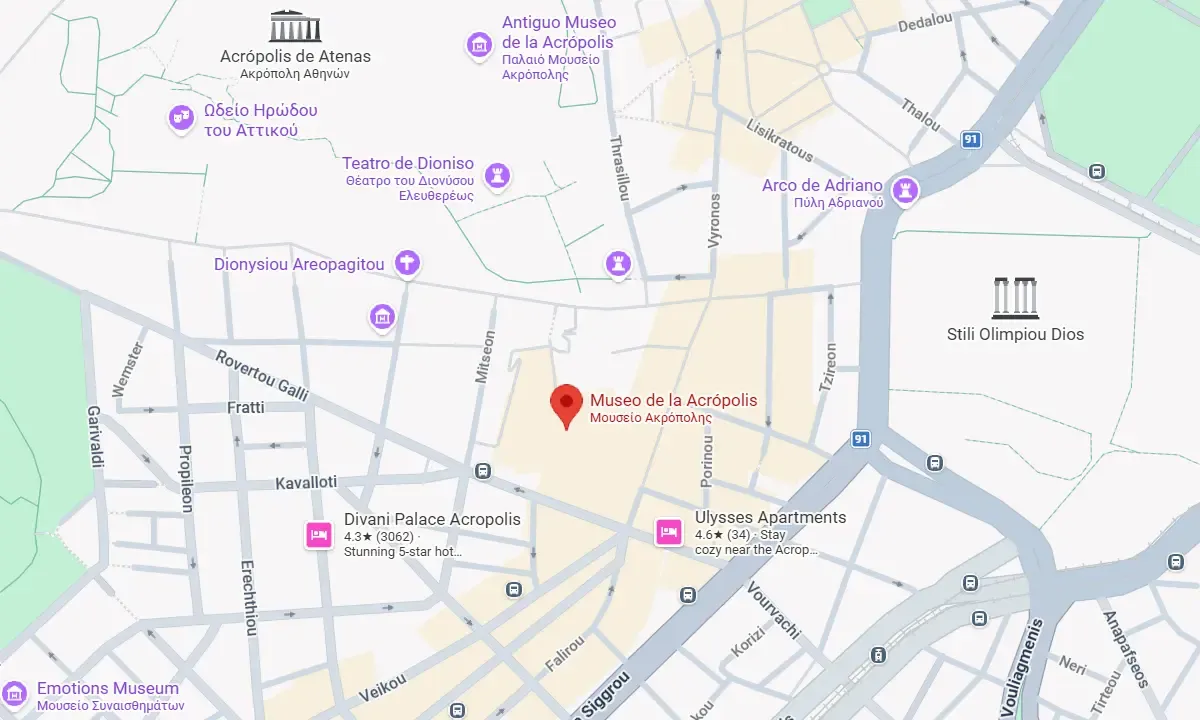
Where is the Acropolis Museum located?
The exact Acropolis Museum location sits at 15 Dionysiou Areopagitou Street within the Makrygianni district of Athens. This geographic position places the facility on the southeastern slope of the Acropolis hill, integrating it into the primary archaeological zone of the city.
The site interfaces directly with the main pedestrian promenade that links the classical monuments of the Greek capital. Nearby urban features include the Plaka neighborhood and the Koukaki district, facilitating access for travelers. By constructing the building over an ancient residential settlement, architects ensured that this location connects the modern city directly to the citadel, offering views of the Parthenon from the upper galleries.