Tickets to see the Erechtheion
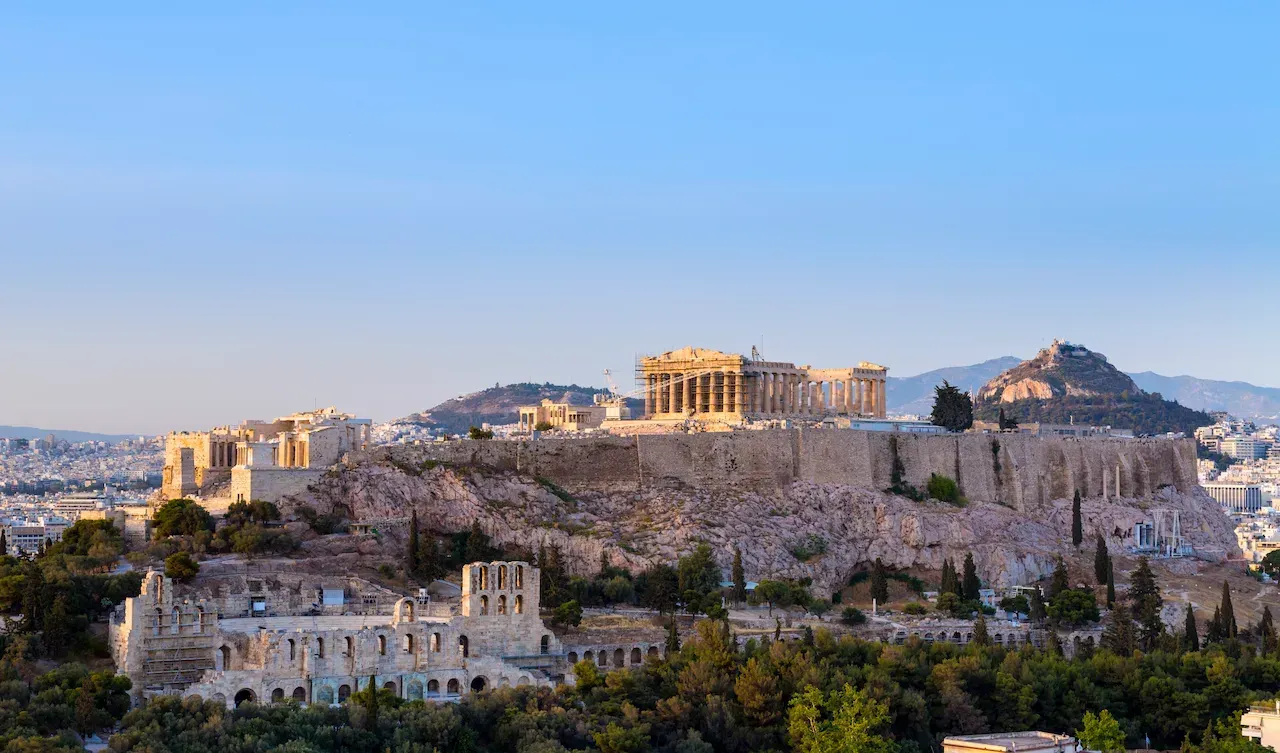
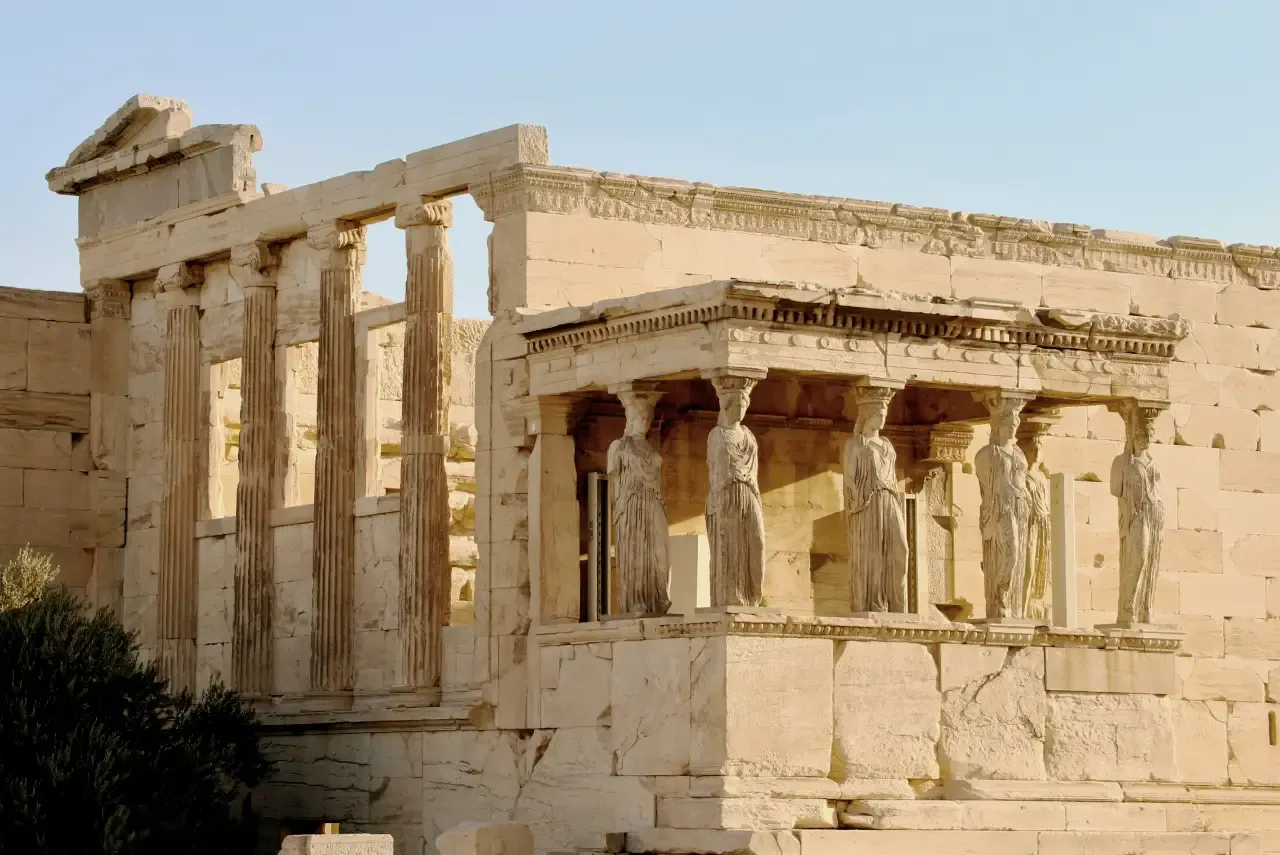
Securing tickets to see the Erechtheion allows you to explore this ancient Greek temple located on the north side of the Acropolis of Athens. Dedicated to both Athena and Poseidon, it is renowned for its unique asymmetrical design and the famous “Porch of the Maidens,” which features six draped female figures (caryatids) as supporting columns.
Book tickets to see the Erechtheion
What to see in the Temple of Erechtheion
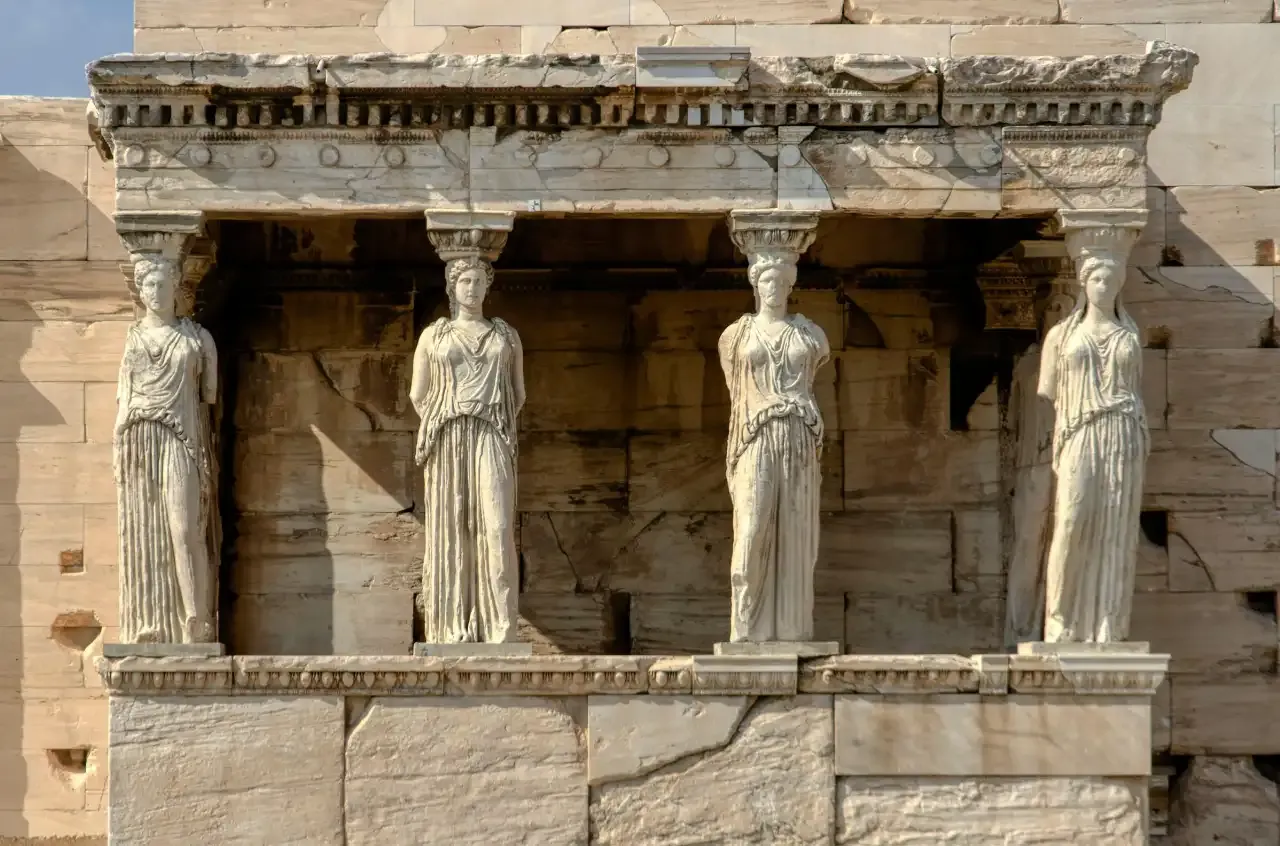
Erechtheion caryatids
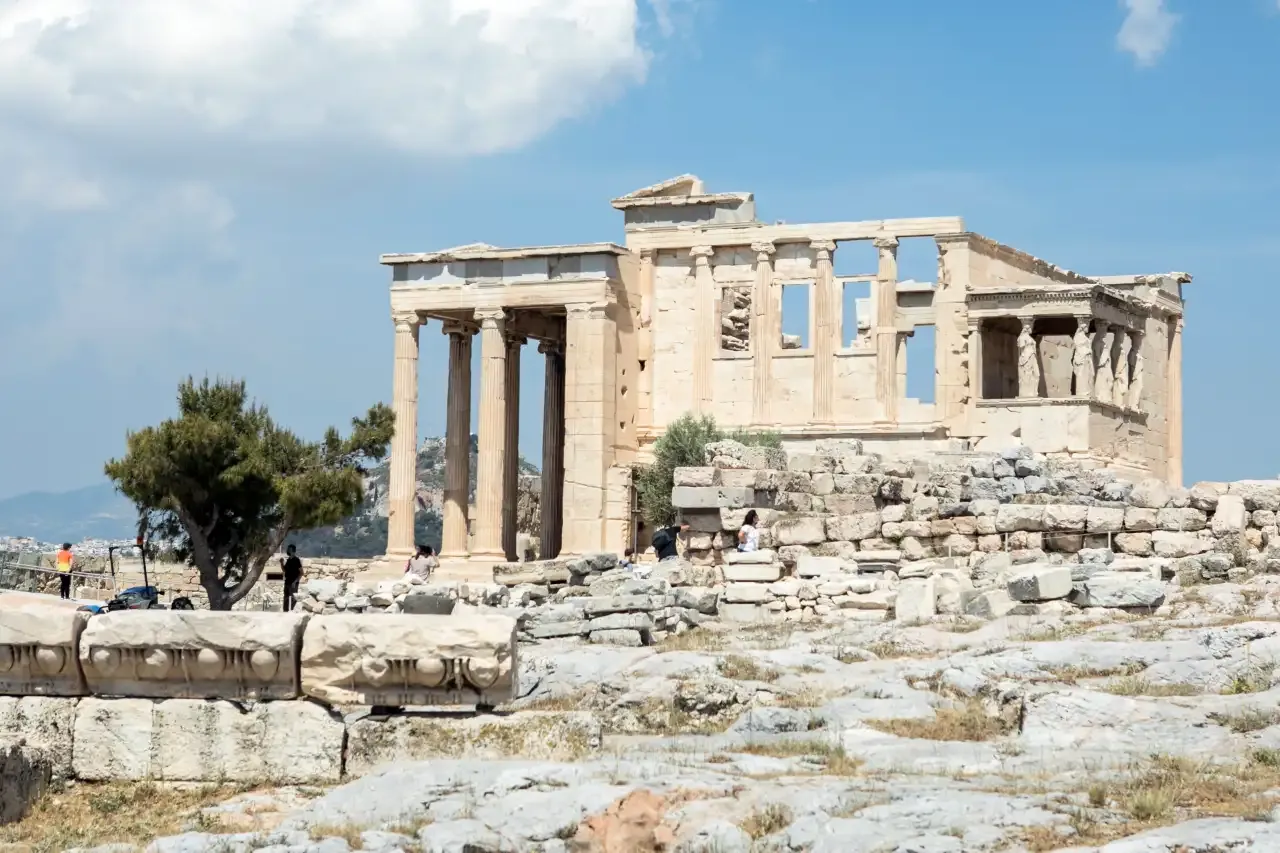
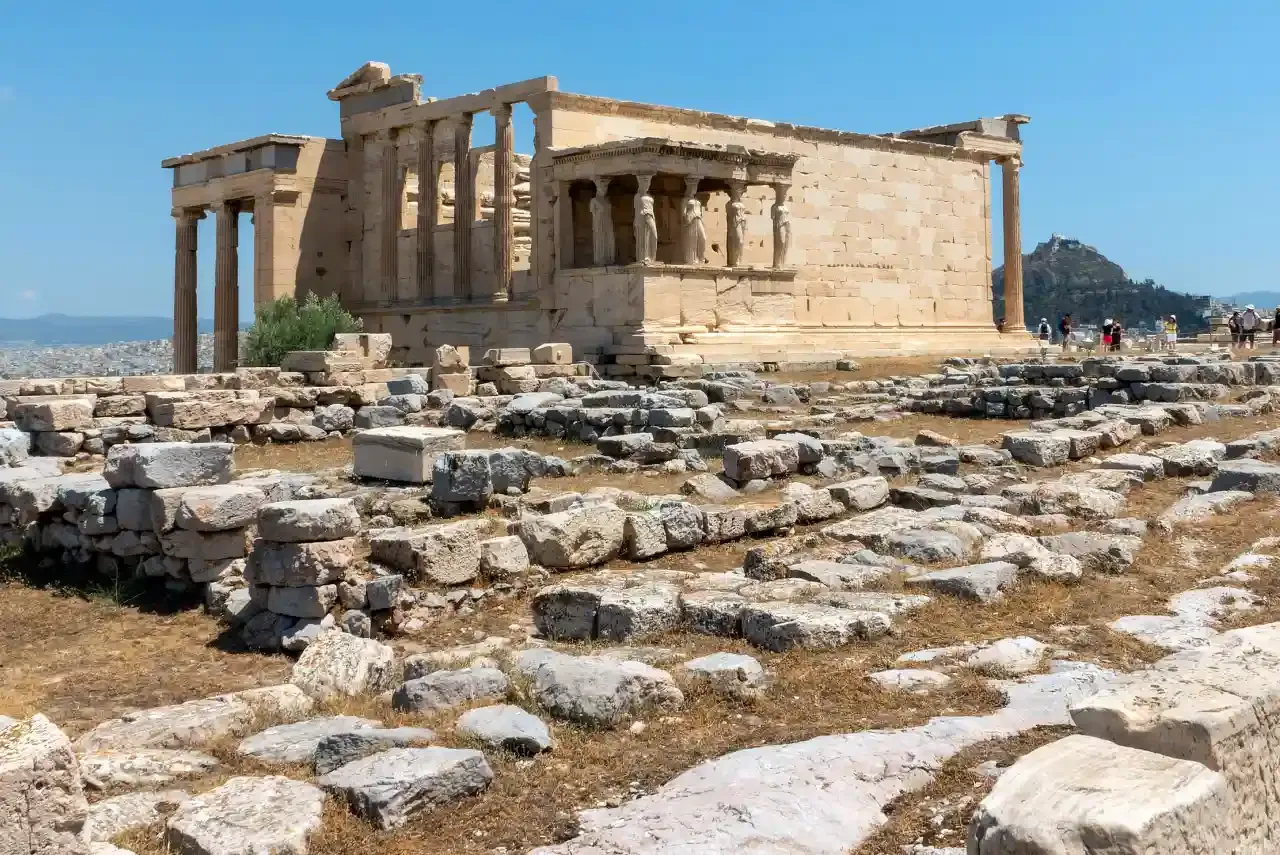
The most notable feature of the Erechtheion is the Porch of the Caryatids. This porch features six statues of women, known as caryatids, serving as columns.
Each caryatid stands at over six feet tall and is intricately carved with flowing drapery and delicate features. Visitors can admire the beauty of these sculptures and appreciate the skill of the ancient Greek craftsmen who created them.
Do you need tickets for Erechtheion?
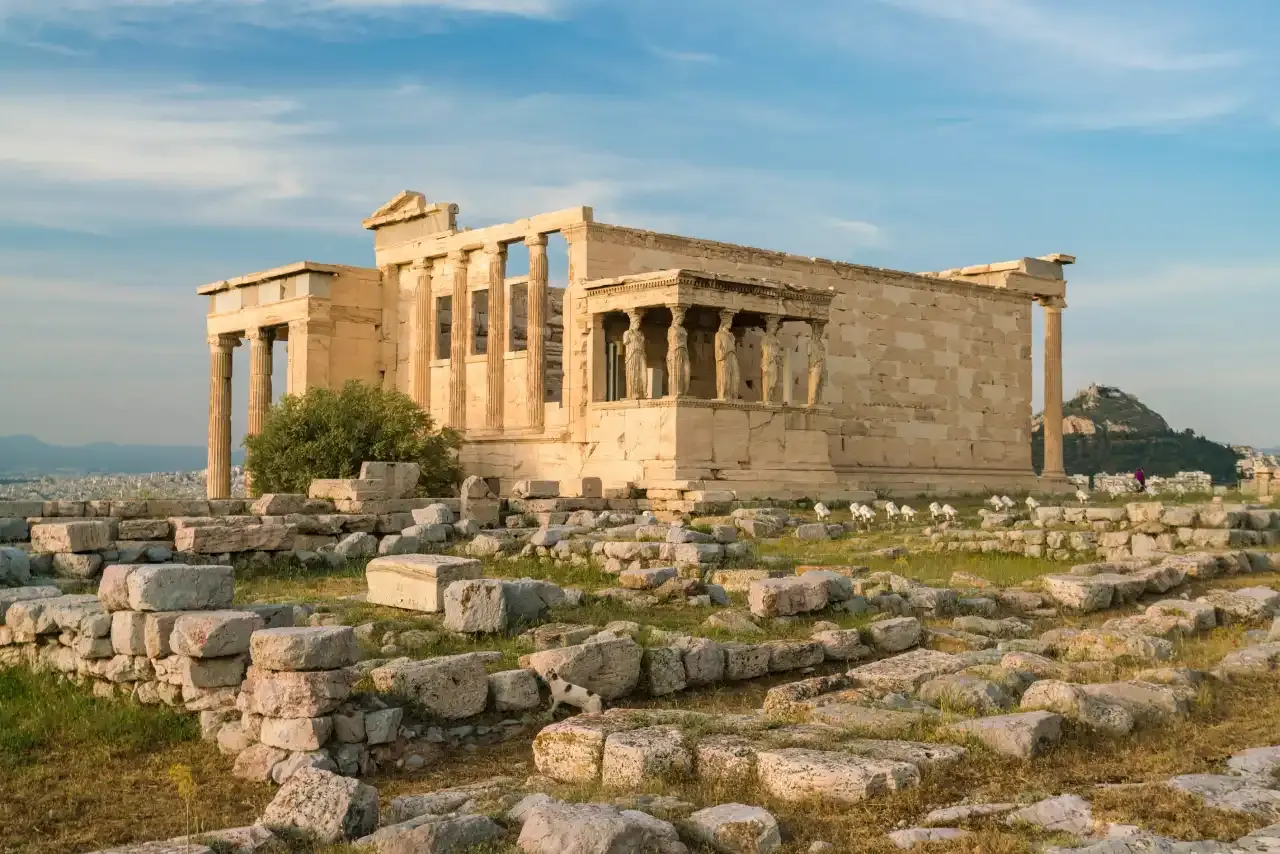
Yes, you need a ticket to see the Erechtheion, as it is located inside the main Acropolis archaeological site. There is no separate ticket just for this temple; instead, purchasing a Acropolis entry ticket grants you full access to the entire hill.
With this ticket, you can explore the Erechtheion and its famous Porch of the Maidens, along with the Parthenon and the surrounding ancient monuments.
How do you access the Erechtheion?
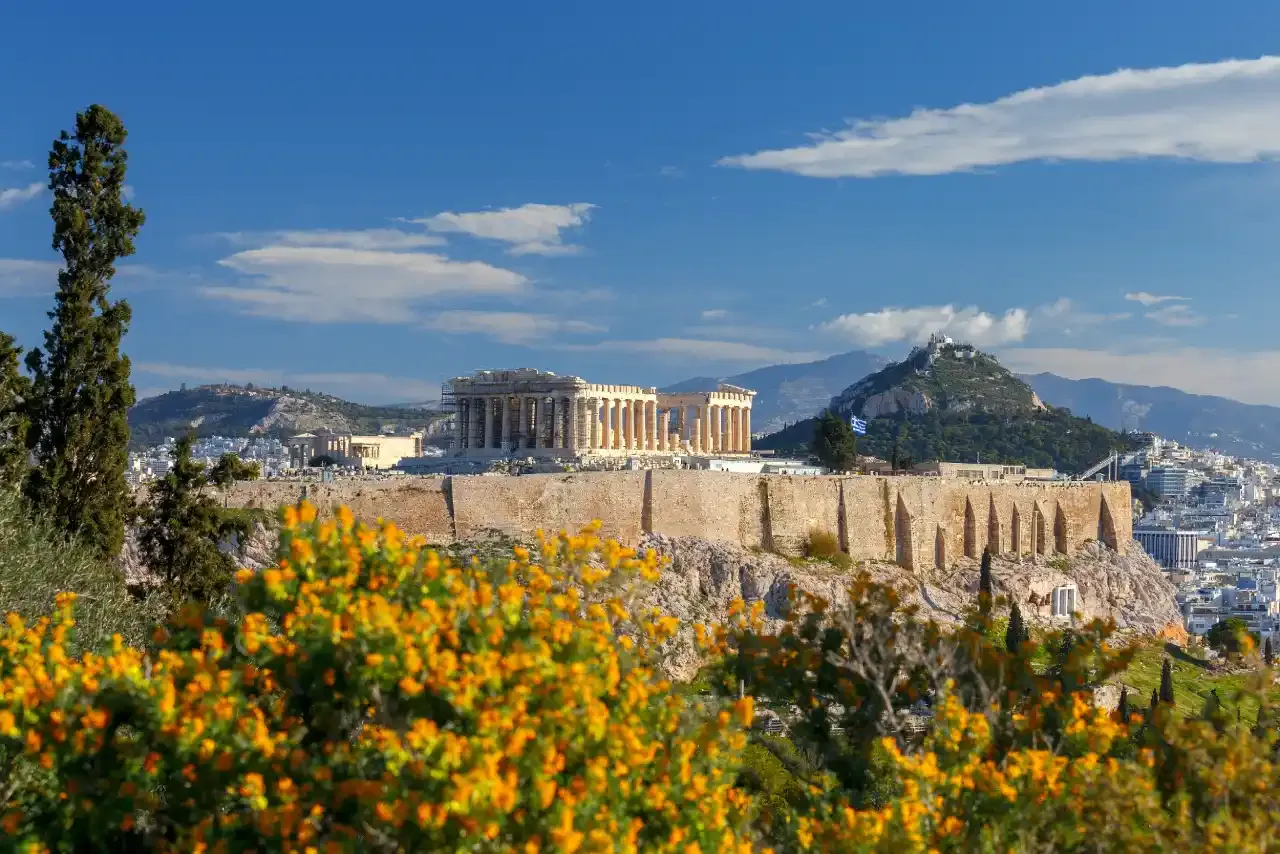
The Erechtheion is located on the north side of the Acropolis hill, directly opposite the Parthenon. Reaching the temple involves a moderately uphill walk from the main entrance gates through the monumental Propylaea gateway.
While the path is steep, uneven, and can be slippery under the sun, it is not overly difficult for most visitors wearing comfortable walking shoes. Once you reach the flat summit of the rocky citadel, the Erechtheion is easily approachable and highly visible.
What are the features of the temple of Erechtheion?
On the northern side of Athens’ Acropolis stands the ancient Greek temple known as the Erechtheion. It is regarded as one of the most important specimens of ancient Greek architecture and was constructed between 421 and 406 BC, during the Golden Age of Athens. The Athens patron goddess Athena Polias and other mythical characters were worshiped in the temple.
History of the Erechtheion
History of the Erechtheion
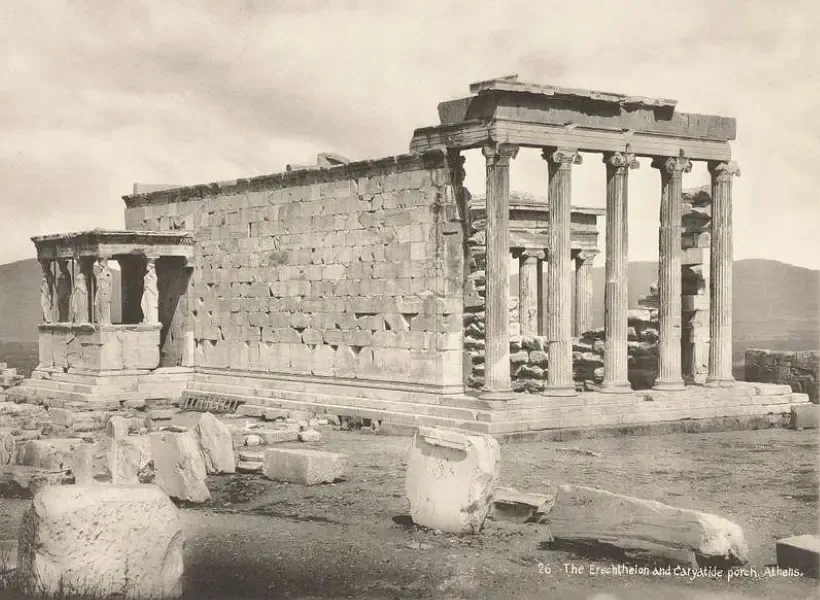
On the northern side of the Acropolis in Athens, Greece, there is a historical temple called the Erechtheion. Its construction was overseen by the architect Mnesicles between 421 and 407 BC. The temple is named after the mythical king Erechtheus, who was believed to have been buried on the site. The building was also dedicated to Athena Polias, the goddess of the city, and Poseidon, who was said to have created a saltwater spring by striking his trident on the site.
The temple’s history is closely tied to the political and cultural developments of ancient Athens. It was built during the Golden Age of Athens, a time of great prosperity and artistic achievement. The building was commissioned by the Athenian statesman Pericles, who sought to create a grand temple that would showcase the cultural and artistic achievements of Athens.
Architecture of the temple of Erectheion
The architecture of the Erechtheion is unique and innovative, reflecting the complex mythological and historical associations of the site. The temple is designed in the Ionic style, but also incorporates elements of the Doric and Corinthian orders, creating a rich and varied visual effect. The building is divided into two main sections, the eastern section and the western section, which are separated by a large central hall.
The interior of the Erechtheion is divided into two main sections: the eastern section and the western section. The central hall, which separates the two sections, is known as the Hekatompedon (meaning “hundred-foot hall”) and features six Ionic columns on either side.
The eastern section of the temple housed the cult statue of Athena Polias, the city’s patron goddess. The statue was believed to be an ancient wooden xoanon, or cult image, which was said to have fallen from the sky during the reign of Erechtheus. The room also contained a large statue of Poseidon, as well as a well that was said to have been created by Poseidon’s trident.
The western section of the temple housed the cult of Erechtheus, a mythical king of Athens. The room contained a large statue of the king, as well as the “olive tree of Athena”, which was said to have been planted by Athena herself. The room also featured a large opening in the floor, which revealed an underground chamber known as the Kekropion, where the remains of the first king of Athens, Kekrops, were said to be buried.
Differences between the Erechtheion and the Parthenon
While both structures dominate the Acropolis summit, they offer completely contrasting architectural experiences. The Parthenon is celebrated for its imposing scale, uniform Doric columns, and strict geometric symmetry, built as a grand tribute to the goddess Athena.
In comparison, the Erechtheion is significantly smaller and features a asymmetrical layout built directly onto the sloping hill. Rather than following a traditional rectangular footprint, its exterior showcases the elegant and highly decorative Ionic style. This design allows it to function as a complex multi-level sanctuary, visually balancing the heavy, powerful columns of its monumental neighbor.