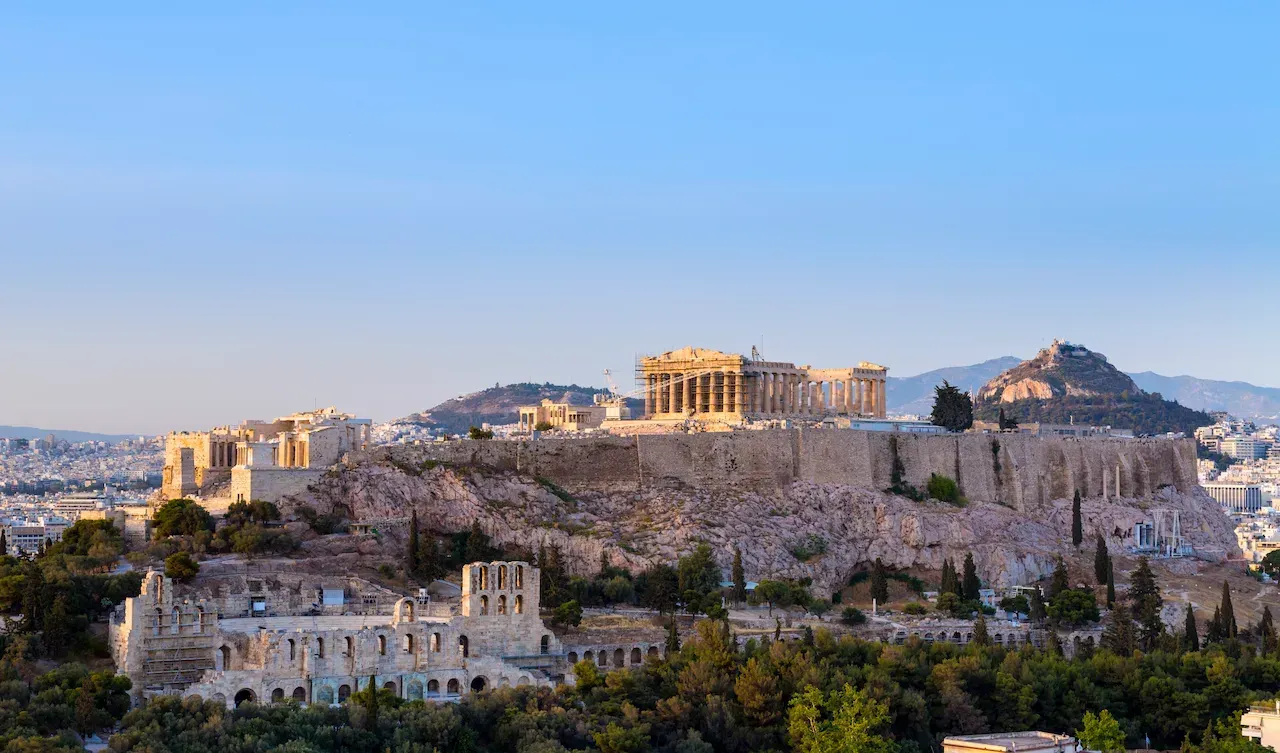
Acropolis Tickets (Athens, Greece)
Secure your Acropolis Tickets to access the Parthenon and other Acropolis monuments. Booking in advance helps you manage your visit and ensures entry to the archaeological site during your stay in Athens.
Book tickets to visit Acropolis
Traveler information: Acropolis and Parthenon
Find essential traveler information to plan your visit to the site, including opening hours, maps, and directions. Access all the details needed to explore the Acropolis and its museum while managing your itinerary in Athens:
Opening hours
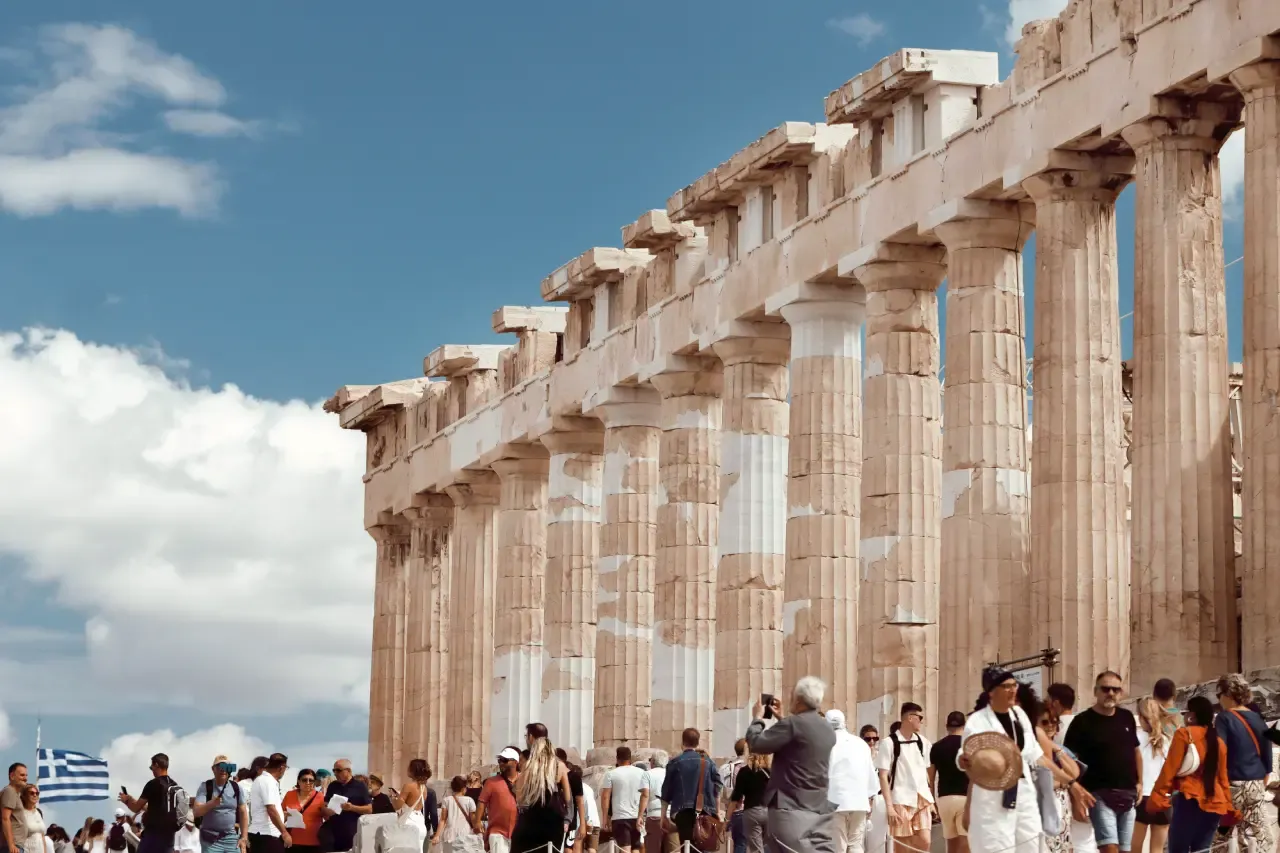
The site consistently opens its gates at 8:00 AM daily, but closing times vary significantly according to the season. Generally, visitors enjoy extended access during the summer and reduced schedules during the winter months.
It is essential to remember that the last entrance is strictly permitted 30 minutes before the official closing time. Furthermore, these schedules may fluctuate due to public holidays or exceptional weather conditions.

What does the Acropolis and Slopes ticket include?
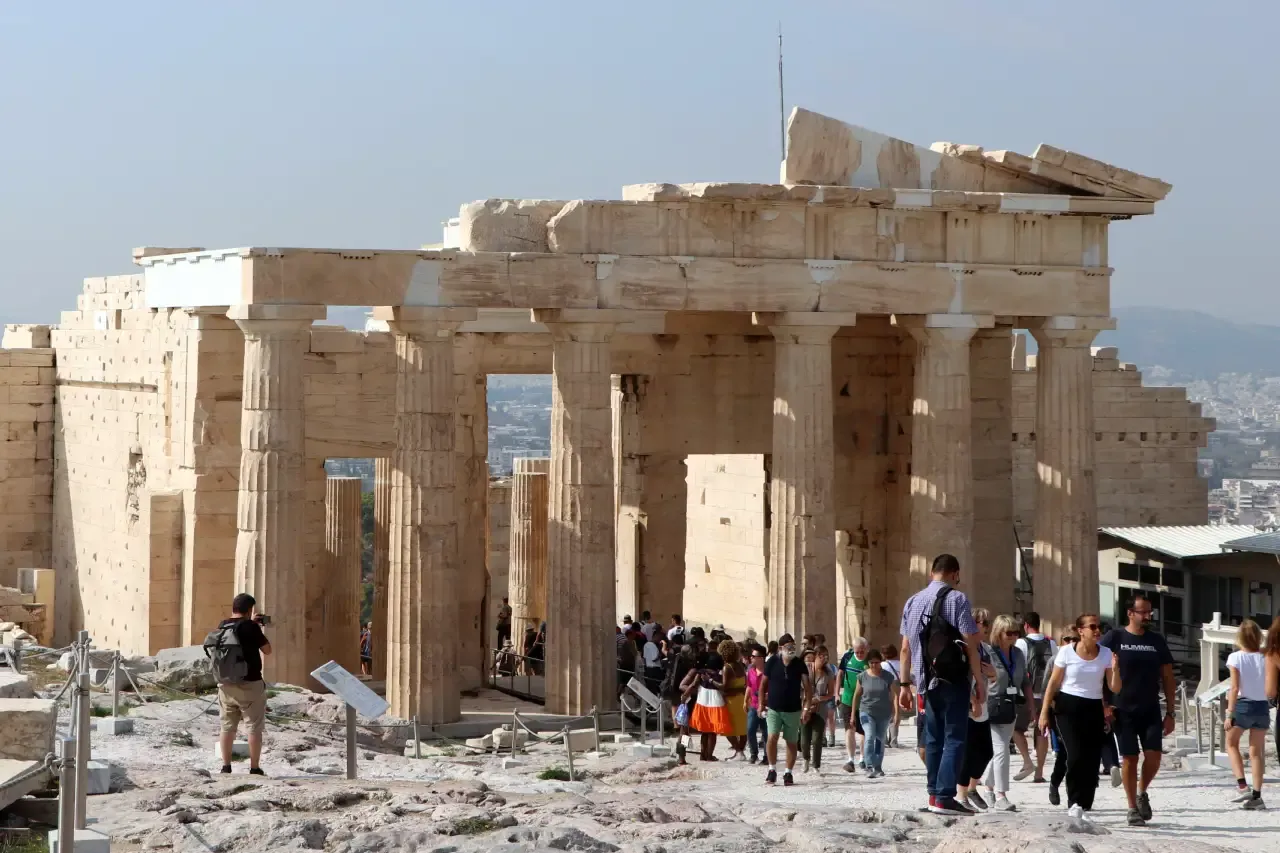
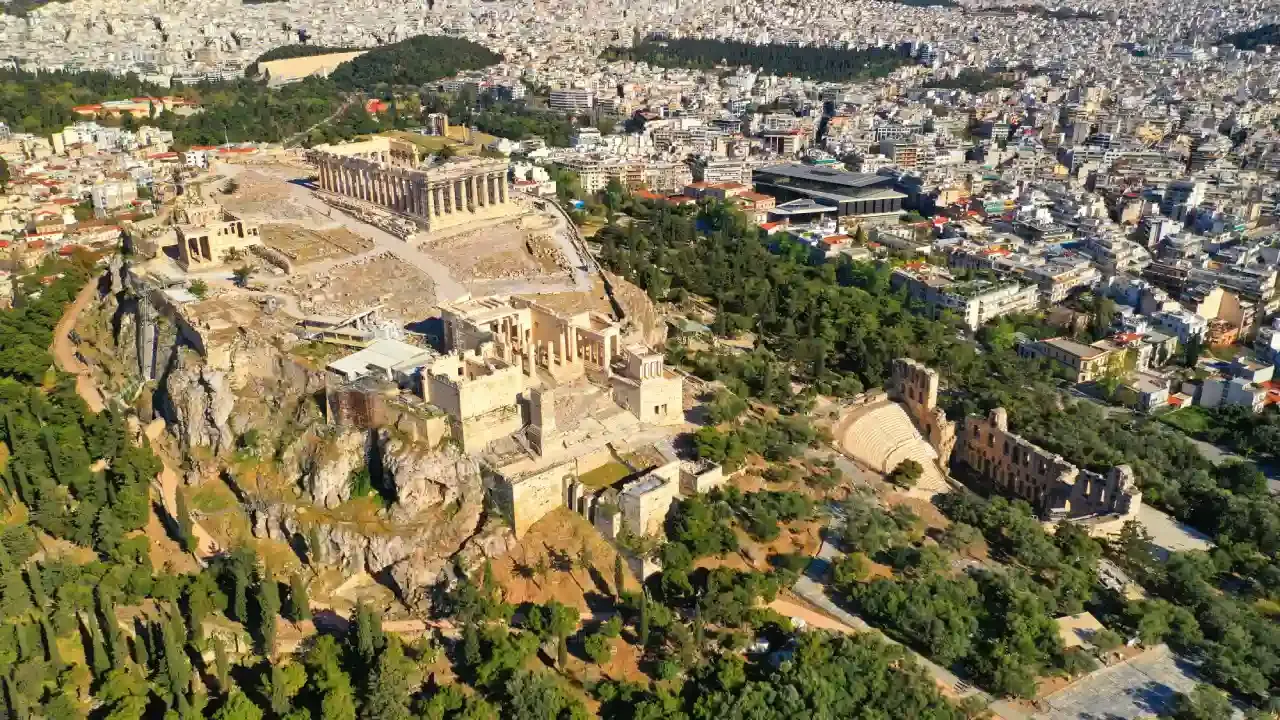
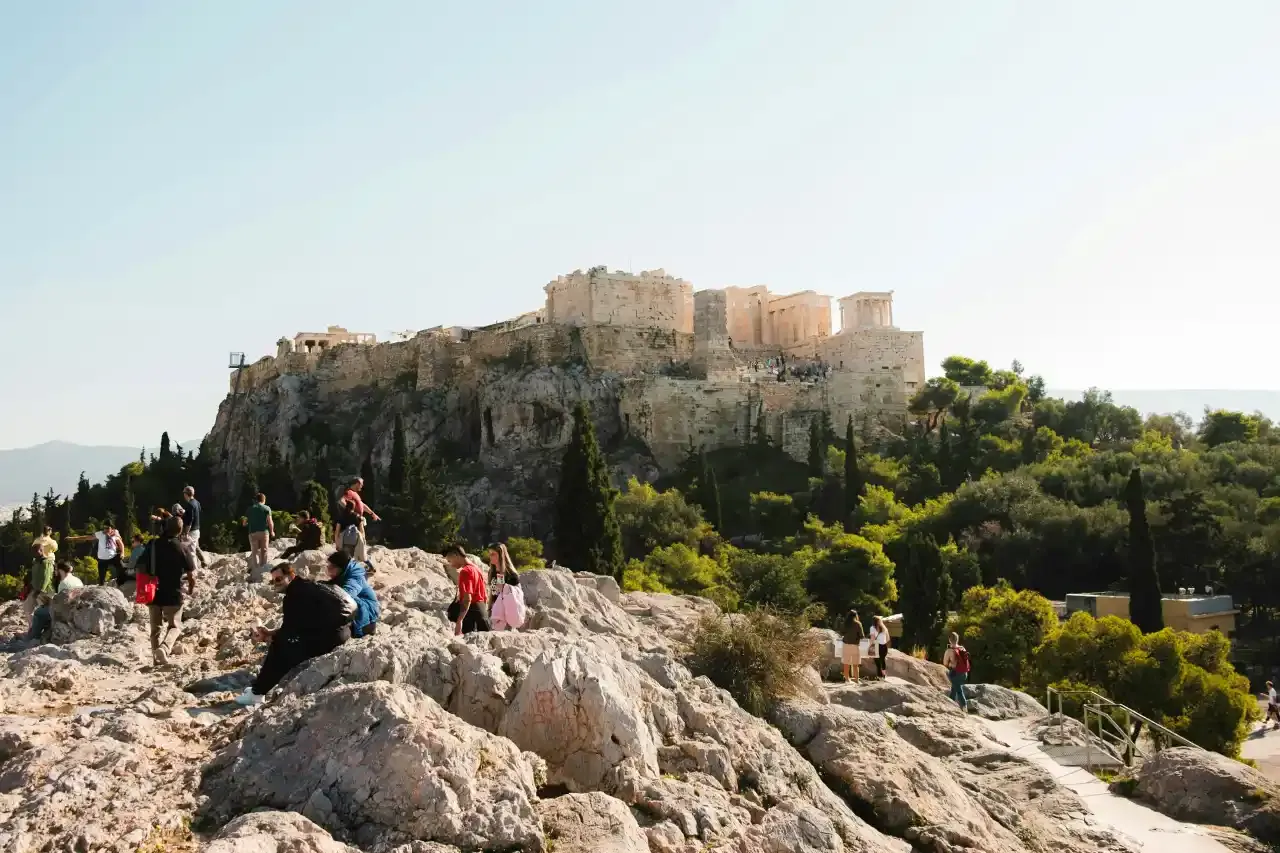
Your admission ticket includes entry to the complete Acropolis complex, featuring the iconic Parthenon, the Temple of Athena Nike, the ancient Erechtheion, and the impressive Propylaea gateway.
Explore both the North and South slopes of the Acropolis, visit the historic Theatre of Dionysus where ancient Greek drama was born, and admire the stunning Odeon of Herodes Atticus. Your Acropolis ticket opens the door to a collection of extraordinary monuments and archaeological monuments:
The Parthenon
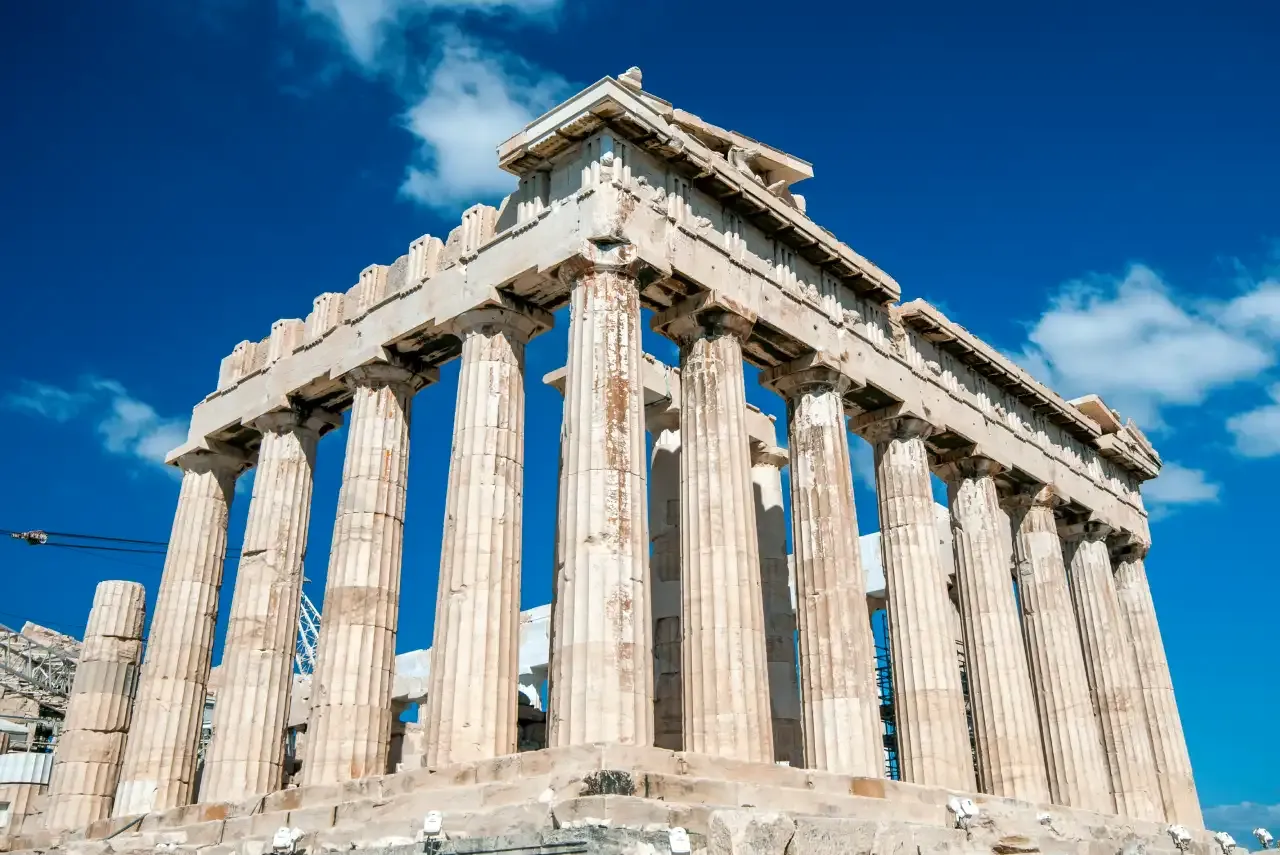
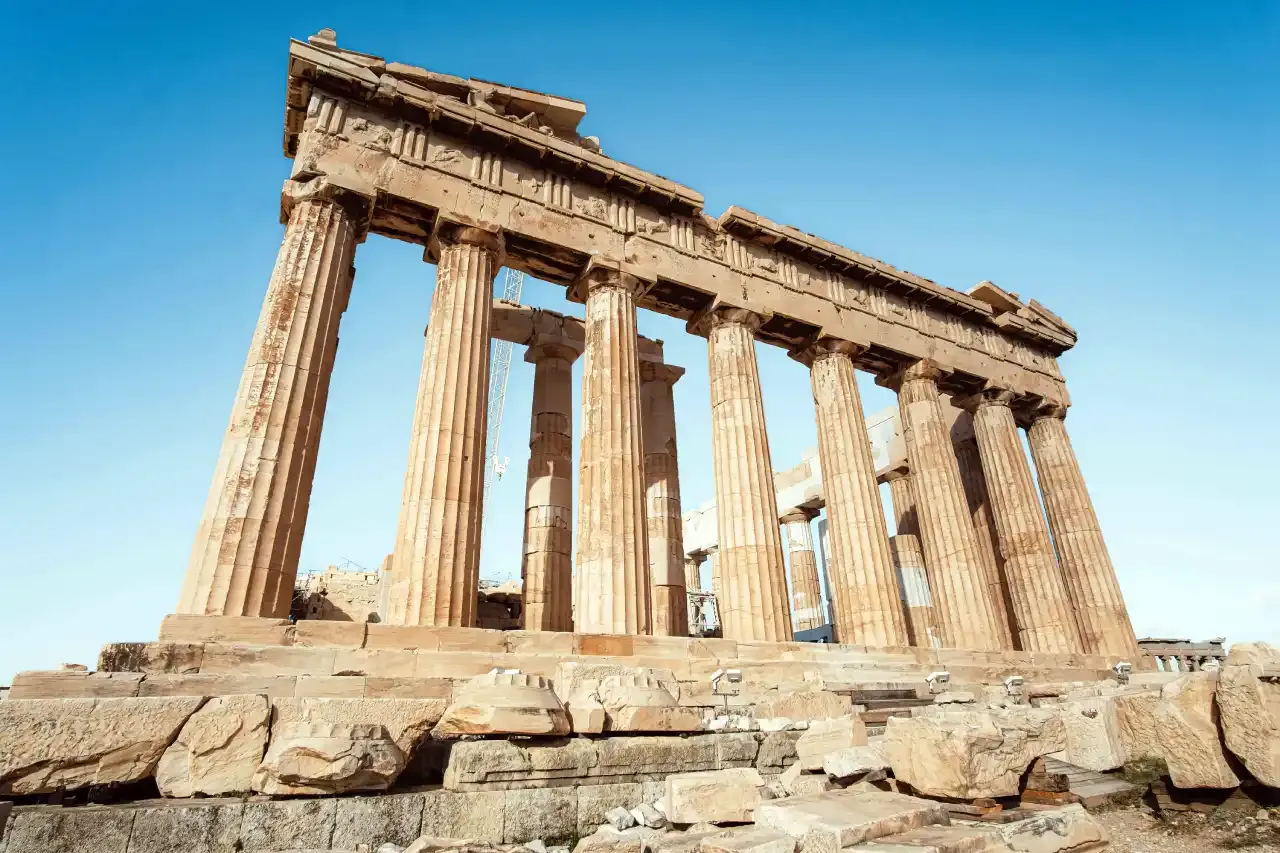
Without a doubt, this is the crown jewel of the Acropolis and the monument you’ve probably seen in countless photos. The Parthenon isn’t just a temple, it’s an architectural masterpiece that has been standing tall for nearly 2,500 years. If you’re using an audio tour, this is definitely one of those spots where you’ll want to pause and listen to the full story.
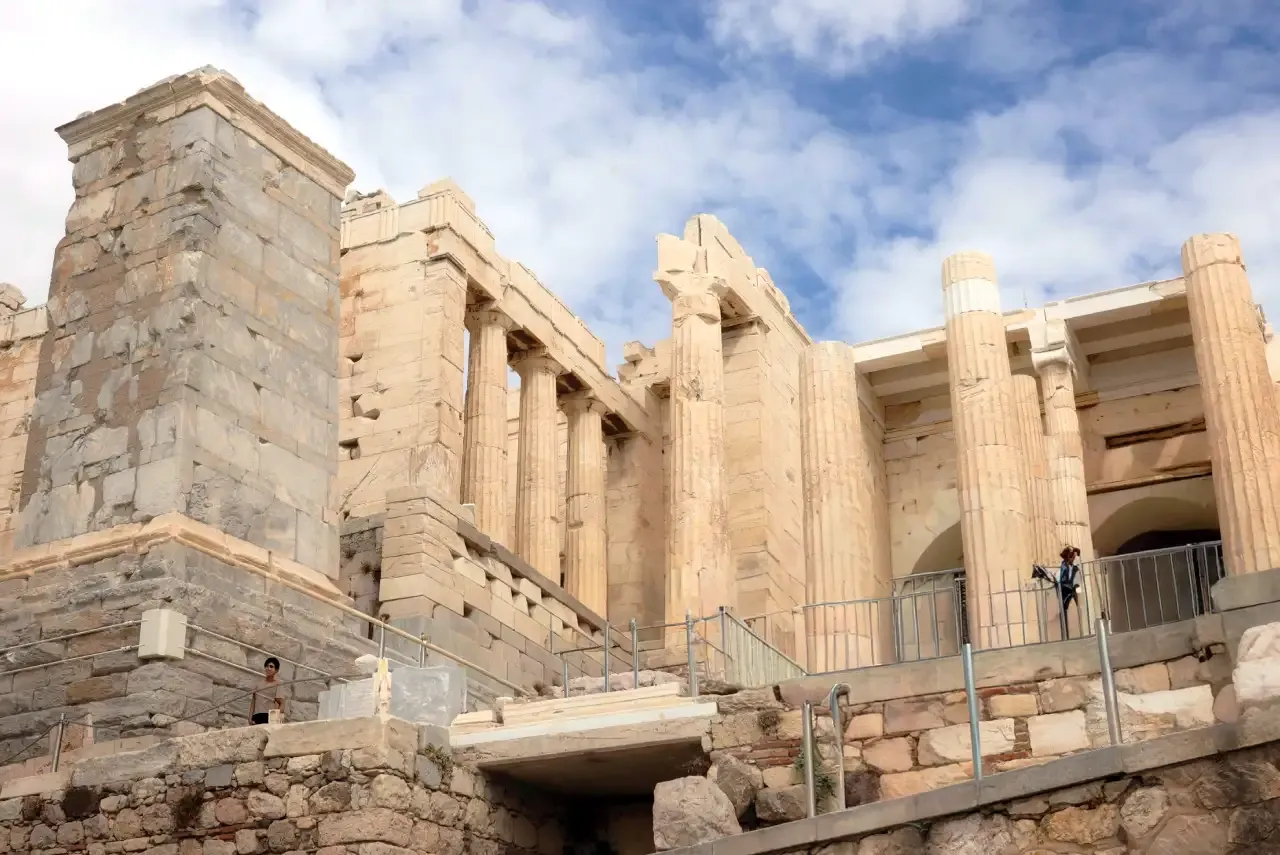
Propylaea
Think of the Propylaea as the grand entrance that sets the stage for everything you’re about to see, and what an entrance it is! This monumental gateway was designed to make visitors feel the full impact of entering sacred ground. Built during the height of Classical antiquity, it perfectly captures the sophisticated architectural vision that defined Ancient Greece at its peak.
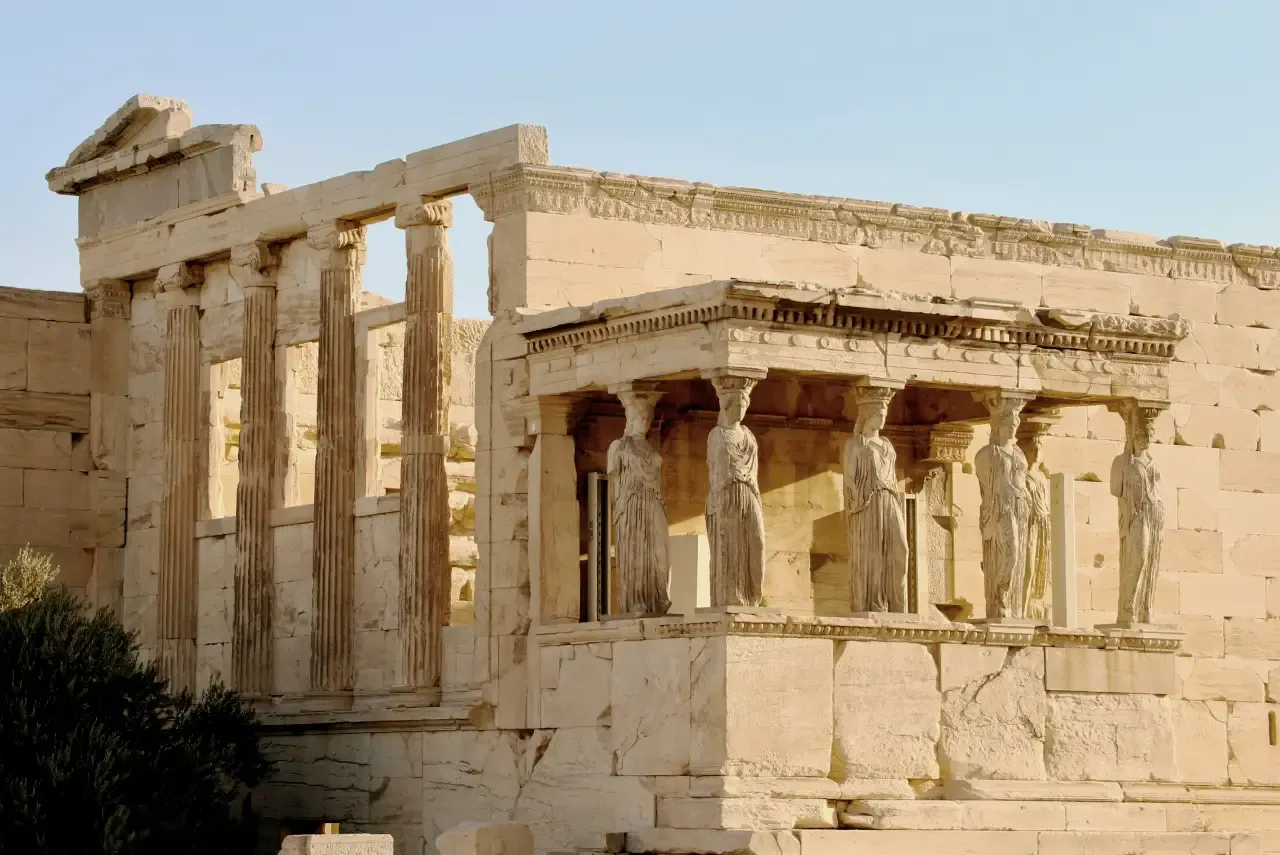
The Erechtheion
The Erechtheion is probably one of the most unique and mysterious attractions you’ll encounter on the Acropolis. Unlike the symmetrical grandeur of the Parthenon, this temple has an irregular, almost quirky design that tells multiple stories at once. What makes it truly unforgettable is the famous Caryatids, those six elegant female figures serving as columns on the south porch.
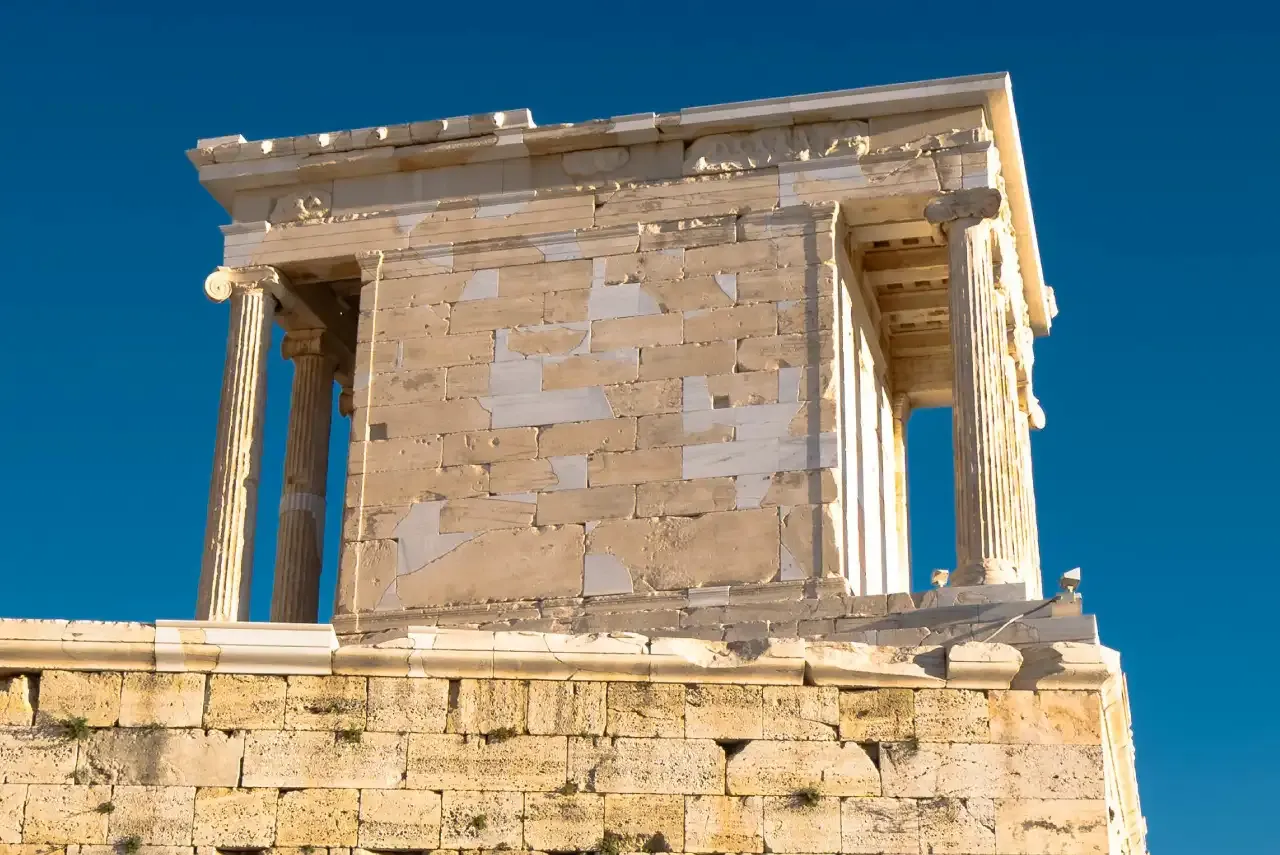
Temple of Athena Nike
Don’t let its small size fool you, this petite temple packs a powerful punch! Perched right on the edge of the Acropolis like a marble jewel, the Temple of Athena Nike was built to celebrate military victories and honor the goddess of triumph. It’s incredibly photogenic and offers some of the best views over modern Athens.
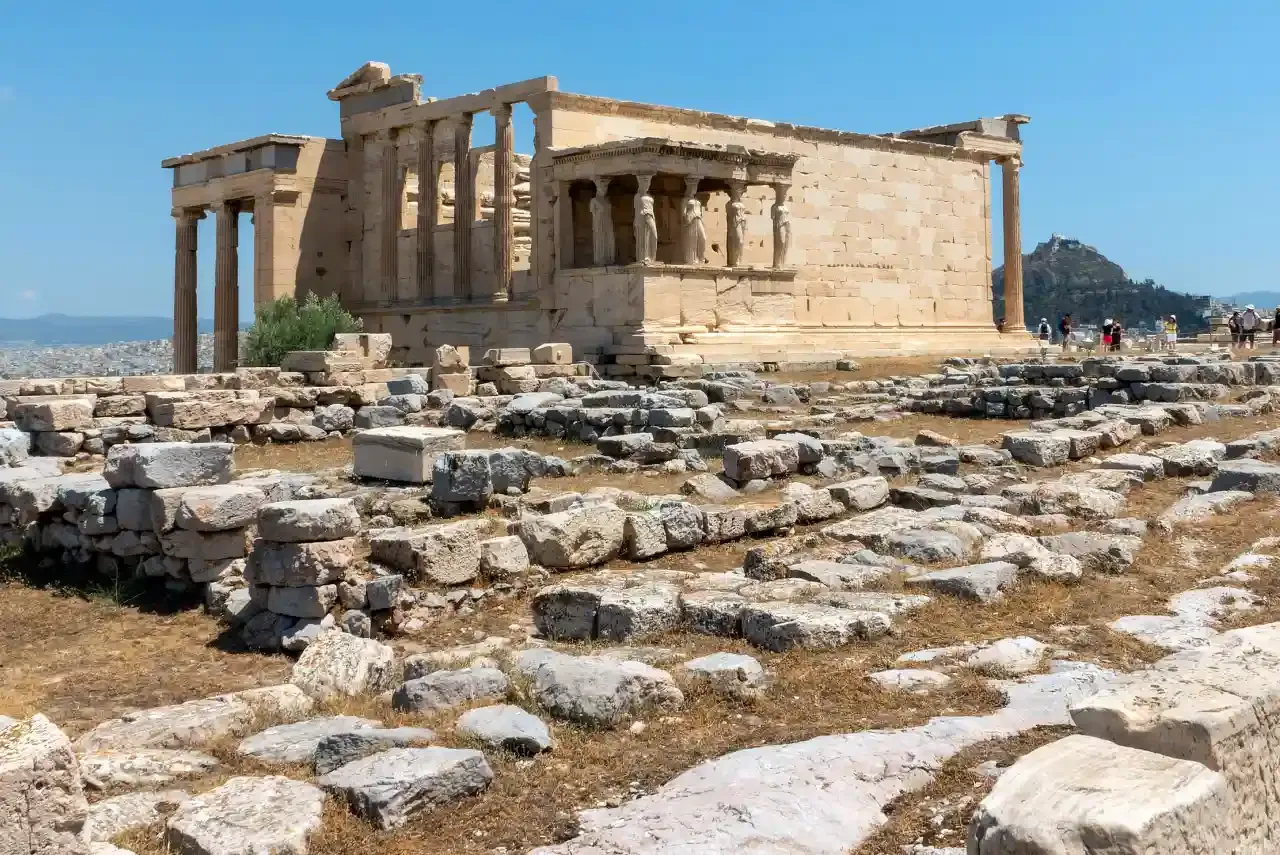
Old Temple of Athena
What you’ll see here are the atmospheric ruins of what was once the most important temple on the Acropolis, until the Persians destroyed it in 480 BC. These weathered foundations and scattered stones might not look like much at first glance, but they’re actually the remnants of where Athenians worshipped for centuries before the Parthenon was even a dream.
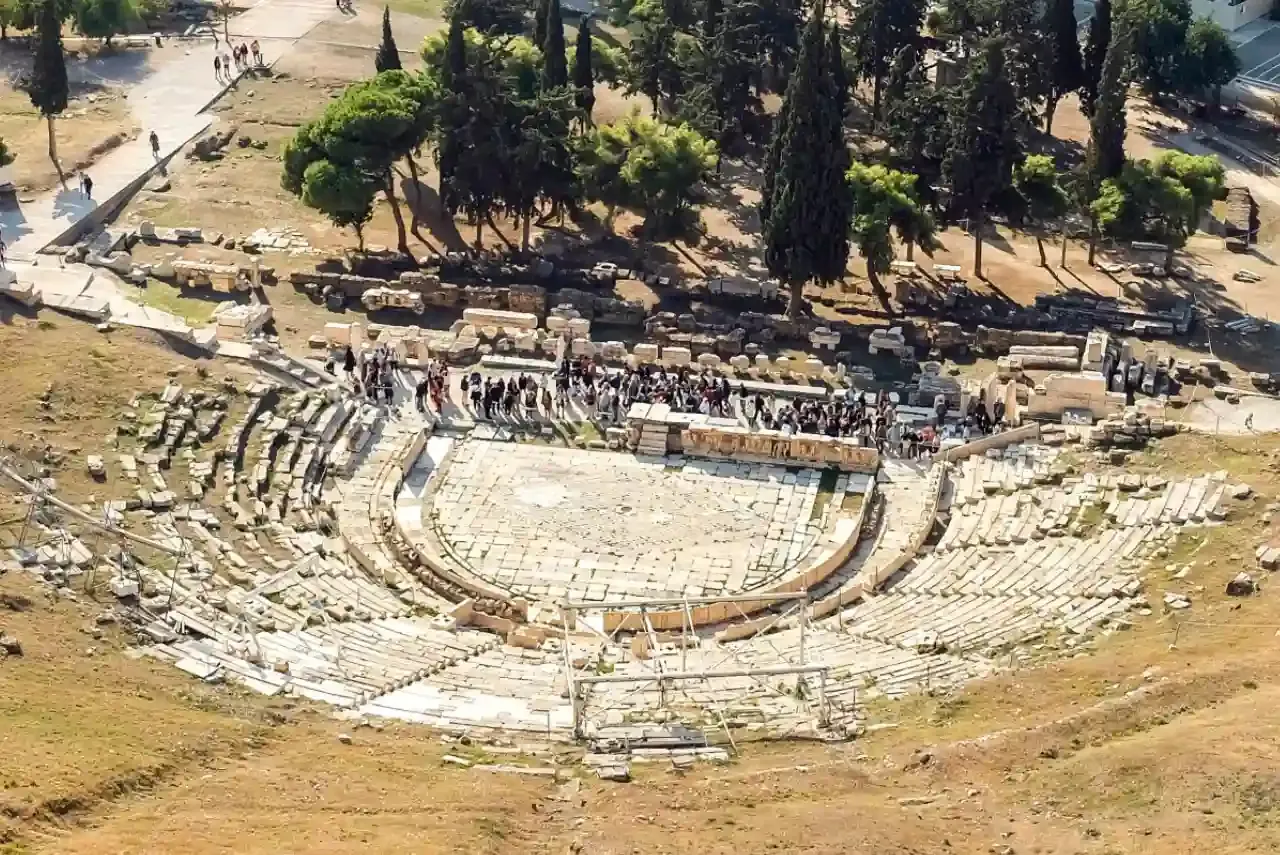
The Theatre of Dionysus
This ancient amphitheater carved into the southern slope of the Acropolis is where theater history was literally made, we’re talking about the world’s first performances of tragic masterpieces by Aeschylus, Sophocles and Euripides. Sitting in these stone seats, you can almost hear the echoes of classical performances that still influence movies, TV shows, and plays today.
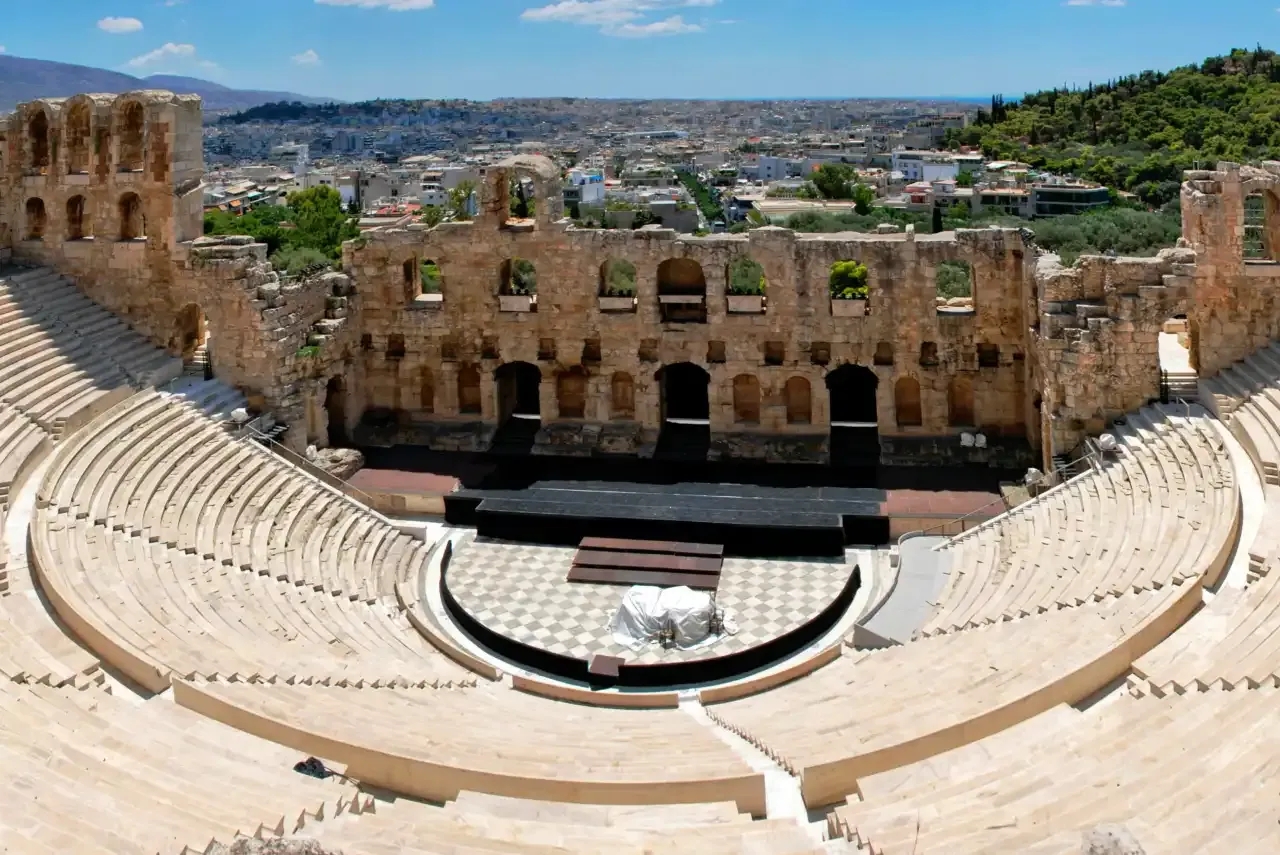
Odeon of Herodes Atticus
This stunning Roman-era theater is proof that great architectural attractions never go out of style. Built in 161 AD by a wealthy Roman senator, Herodes Atticus, as a tribute to his late wife, this beautifully preserved amphitheater still hosts world-class performances today, from classical music concerts to opera and ballet. What makes it extra special is how it seamlessly blends into the Acropolis landscape while maintaining its own dramatic flair with that iconic three-story stone facade.
Do you need tickets to see the Acropolis?
Yes, you do need tickets to enter the Acropolis. While you can see the ancient citadel from various viewpoints around Athens, access to the actual archaeological site requires a paid admission ticket.
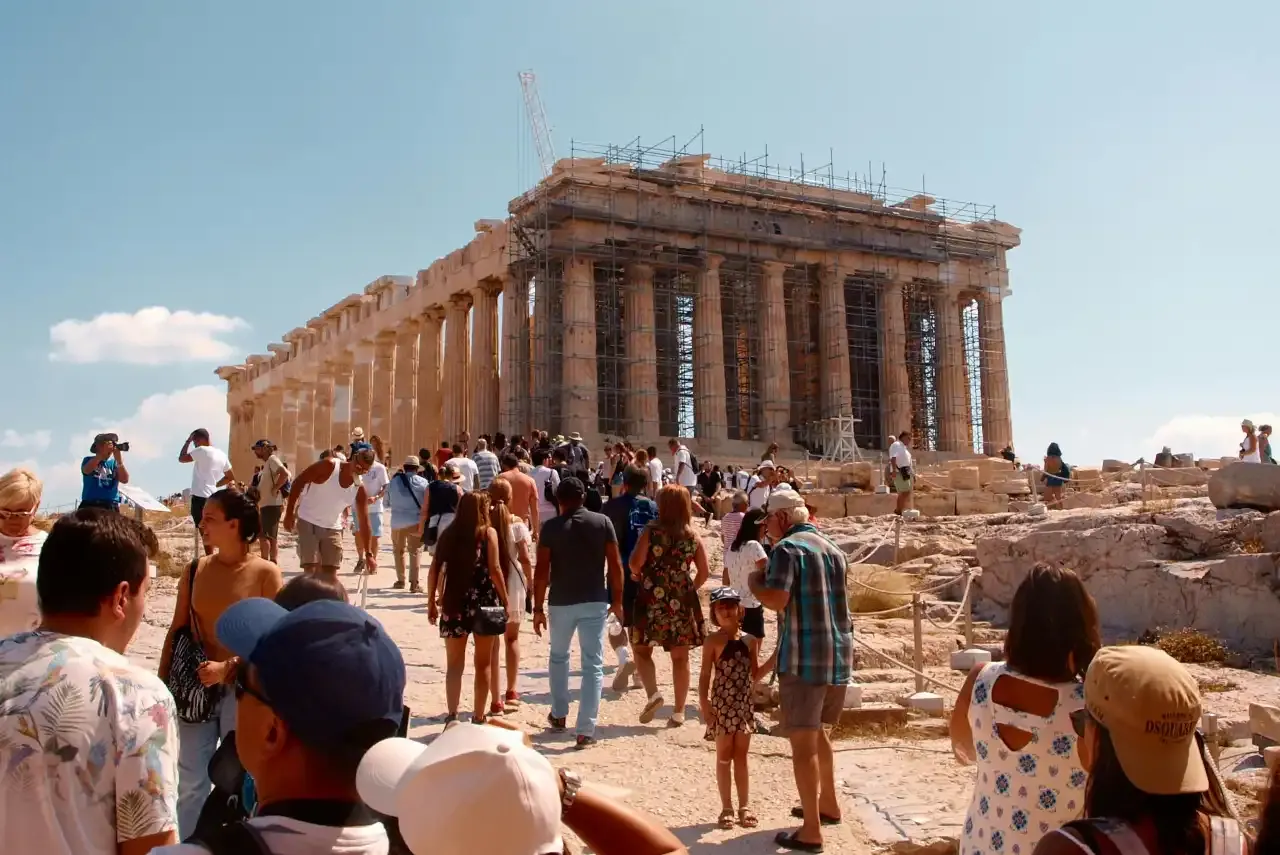
Because it is one of the world's most popular attractions, it operates on a strict time-slot system to manage crowds. It is highly recommended to book an Acropolis guided tour or purchase tickets online in advance to secure a reservation for a preferred date and time, allowing visitors to skip the long ticket-office lines at the entrance.
Do you need separated tickets to the Parthenon?
No, you do not need a separate ticket to visit the Parthenon. The Acropolis entry ticket automatically includes full access to this temple.
When you purchase your Acropolis ticket, it grants you admission to the entire archaeological site. This includes the Parthenon, the Erechtheion, the Temple of Athena Nike, and the Propylaea. Furthermore, it covers the North and South slopes, the Theater of Dionysus, and the Odeon of Herodes Atticus.
What else is there to see near the Acropolis?
You can walk in the footsteps of Socrates at the Ancient Agora to see the remarkably preserved Temple of Hephaestus, or stand in the shadow of the colossal columns at the Olympieion. To complete your journey, head into the heart of the city to explore the National Archaeological Museum, housing over 11,000 ancient masterpieces spanning 6,000 years of civilization. To beat the crowds and streamline your historic adventure, you can easily book your tickets in Athens online for all of these must-see wonders.
More about the Acropolis
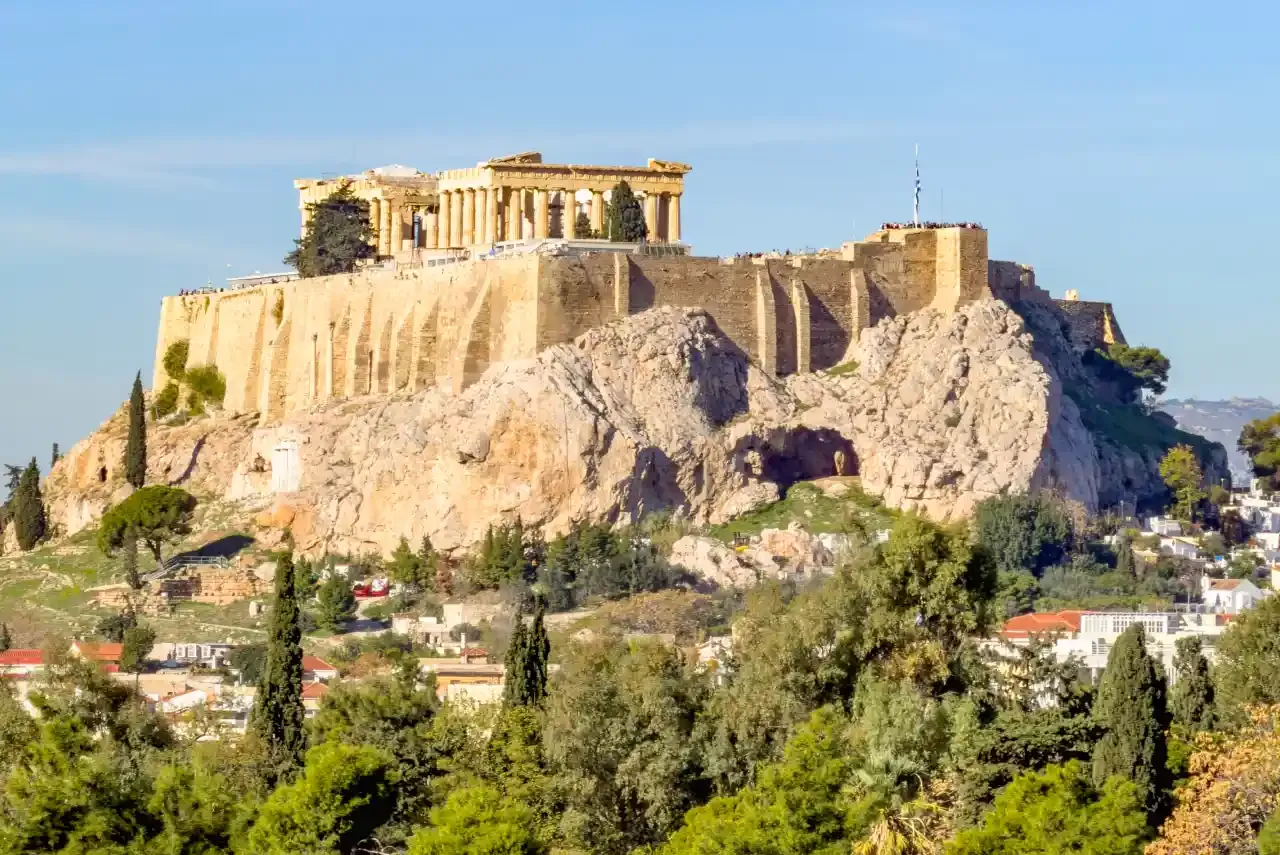
Acropolis of Athens
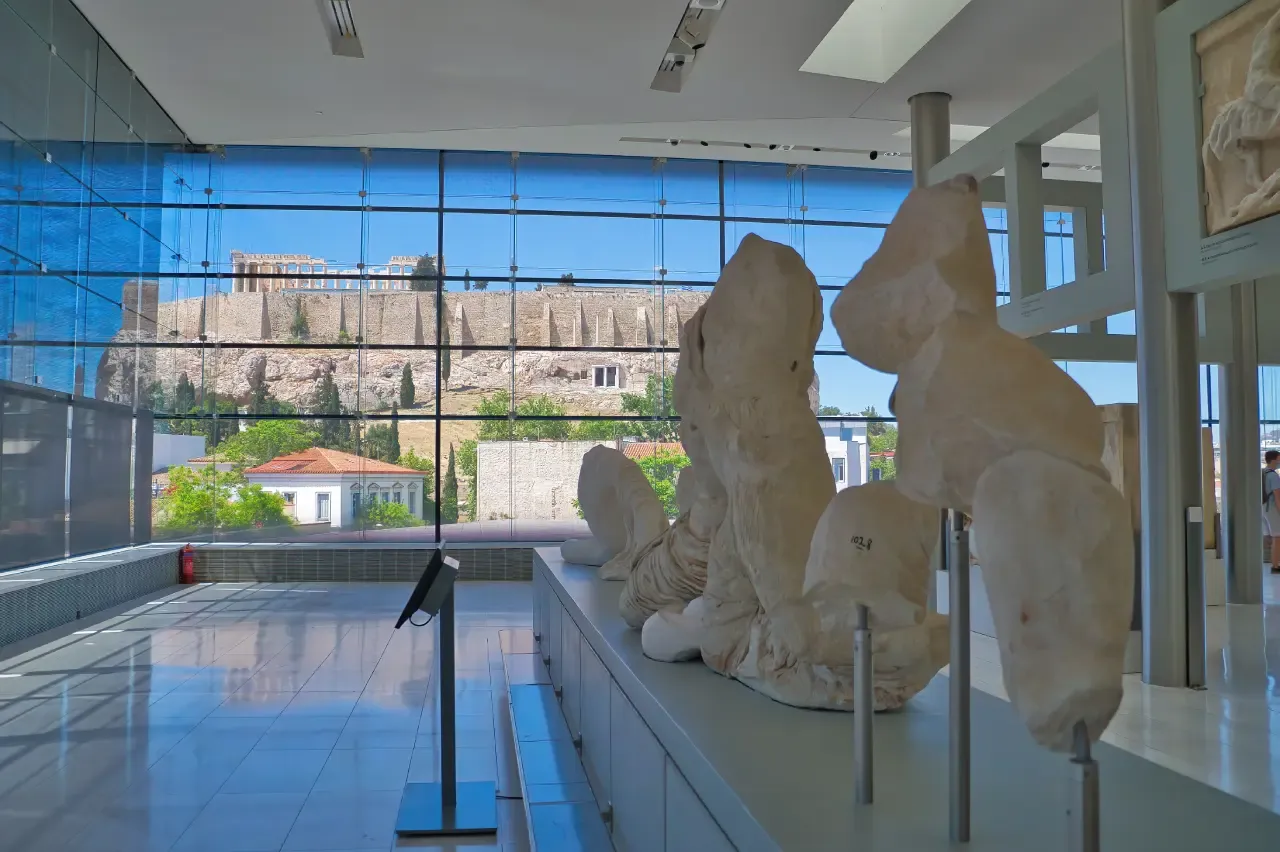
Learning more about the Acropolis is essential to appreciate how this rocky outcrop became the cradle of Western civilization and a universal symbol of democracy. This sacred site houses world-renowned monuments, including the Parthenon and the Erechtheion, each reflecting the peak of Classical Greek architecture and art.
By reading about the Acropolis before your visit, you will gain a deeper understanding of its historical evolution, from its mythical origins to its preservation today as a UNESCO World Heritage site.
News about the Acropolis
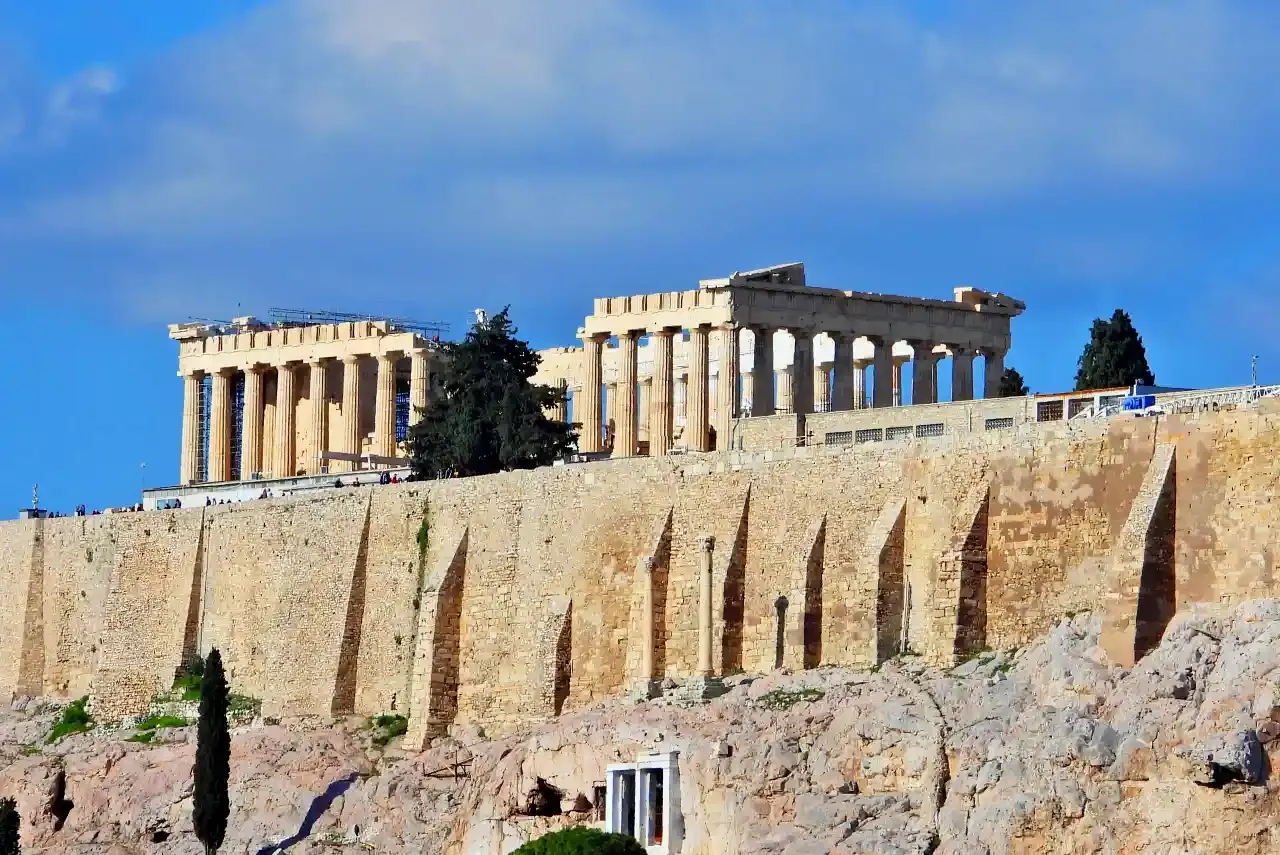
The Parthenon’s restoration has entered a final exterior phase. Recent interventions focused on correcting damage caused by corroded iron clamps from early 20th-century repairs, replacing them with titanium.
While light scaffolding returned to the western facade in late 2025 for final touches due by summer 2026, the monument's exterior will soon remain clear long-term. Meanwhile, a major 15-year project has begun to reconstruct the interior cella, ensuring the temple’s structural stability and architectural legibility for future generations.