The Parthenon emerges free of scaffolding after decades of restoration
Date published: May 20, 2026.
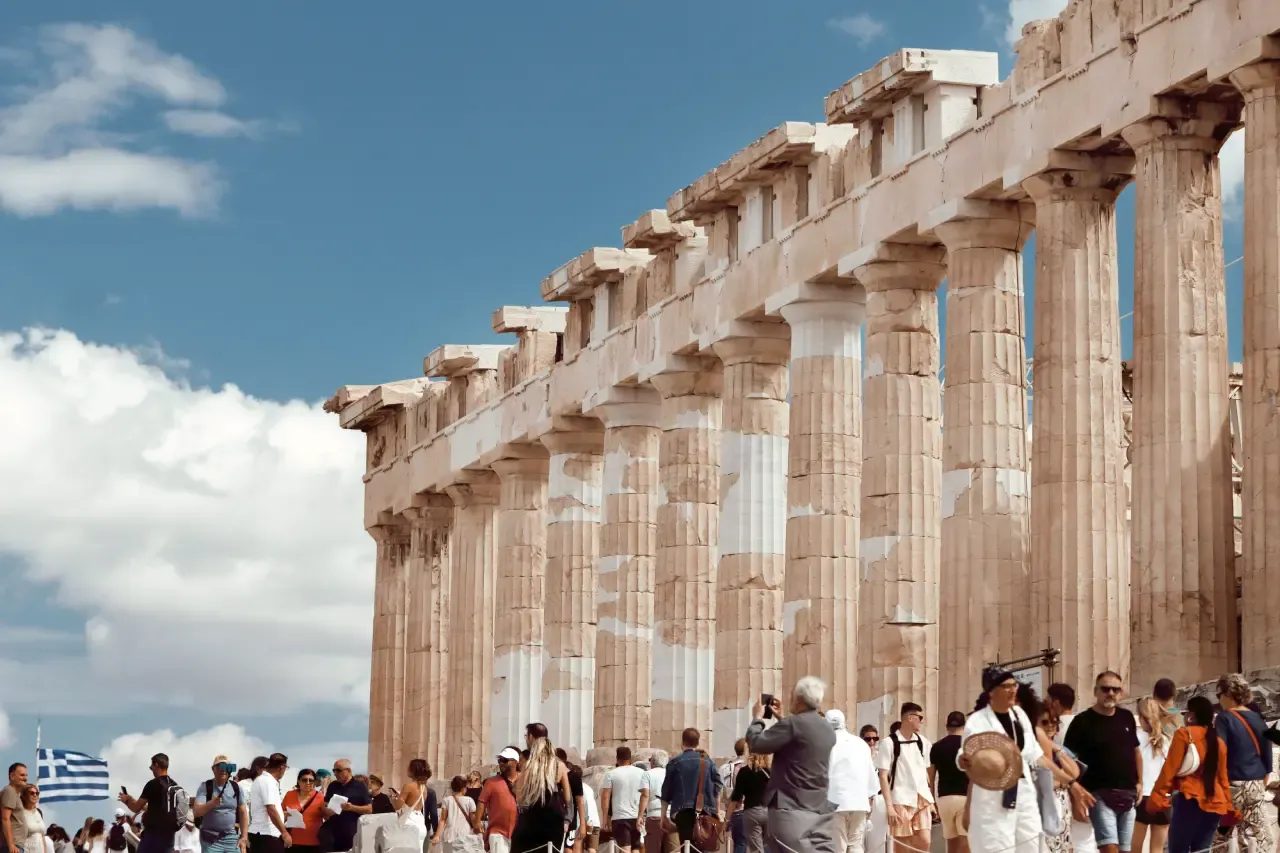
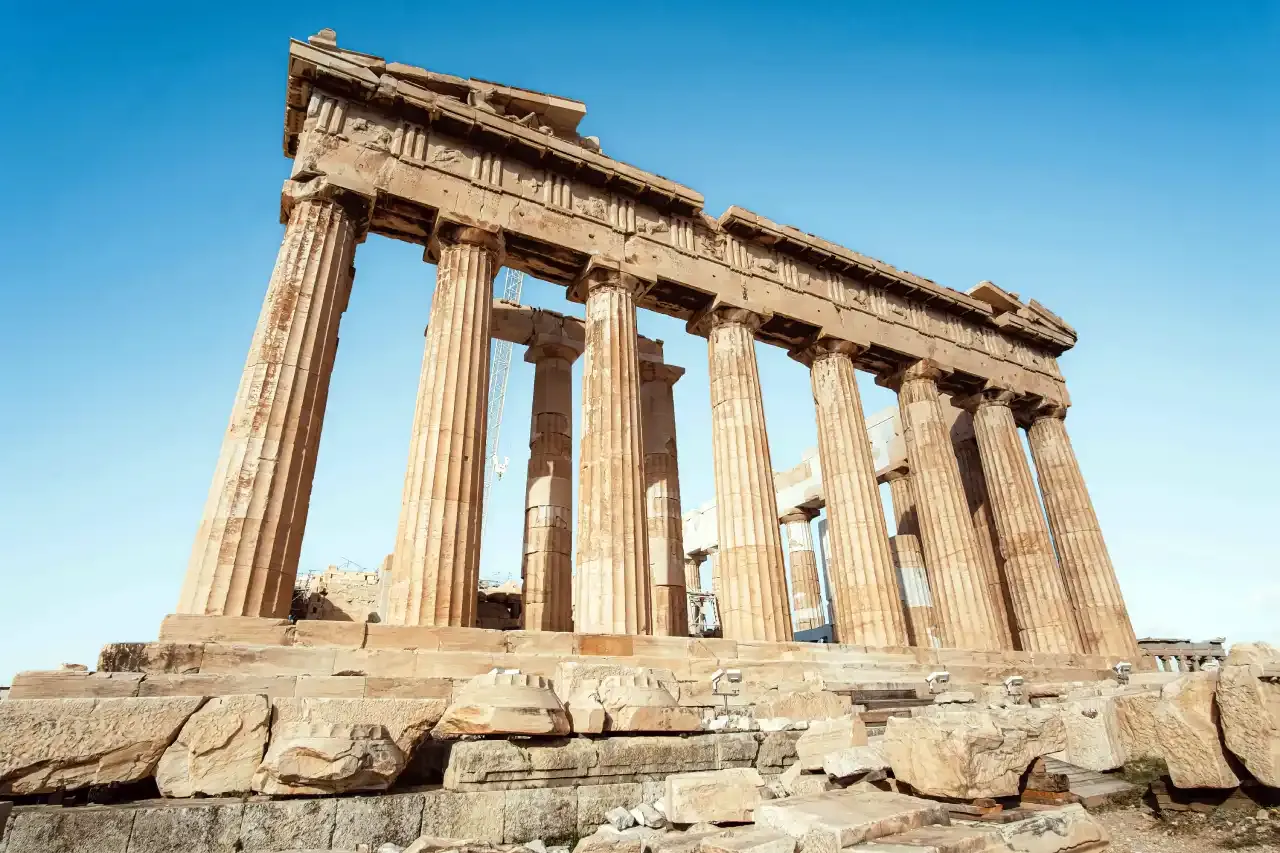
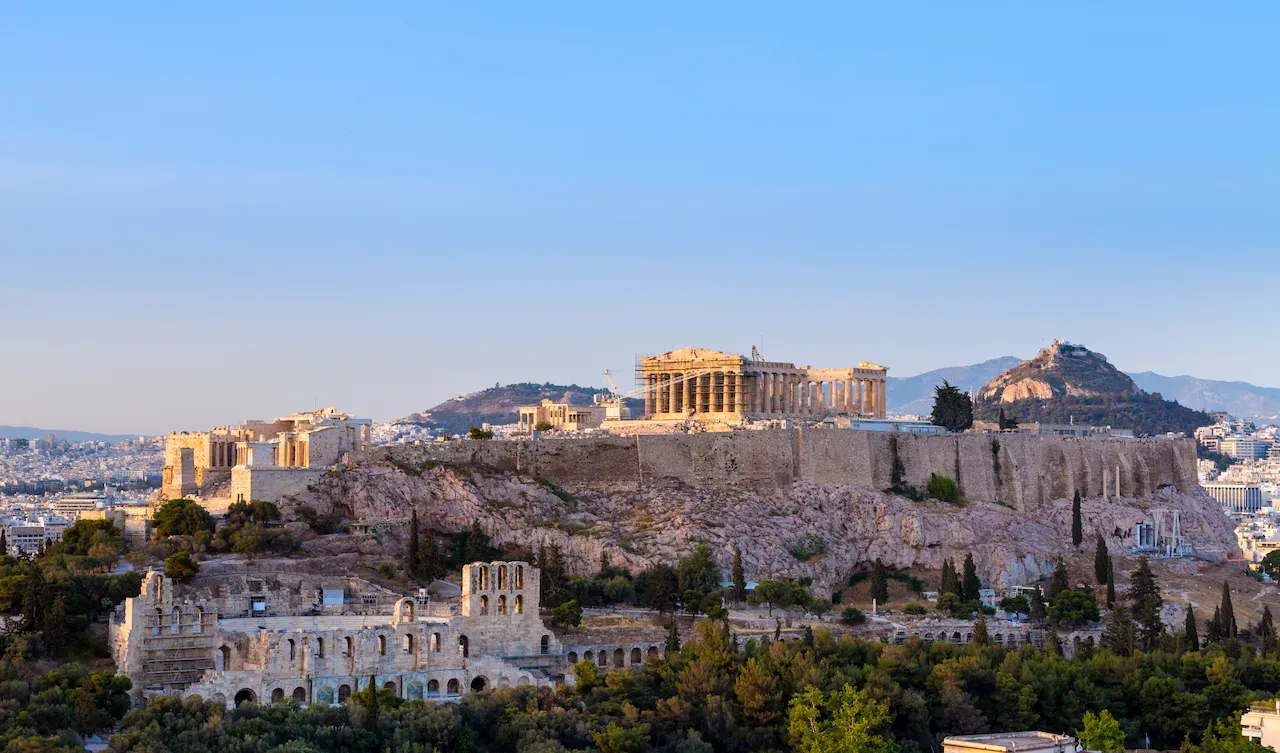
The Parthenon has entered a new phase in its long restoration history, with exterior scaffolding temporarily removed from much of the monument during conservation works. This unobstructed view of the Acropolis as a whole marks a turning point in one of the most ambitious conservation projects in modern history.
For how long did the scaffolding remain on the Parthenon?
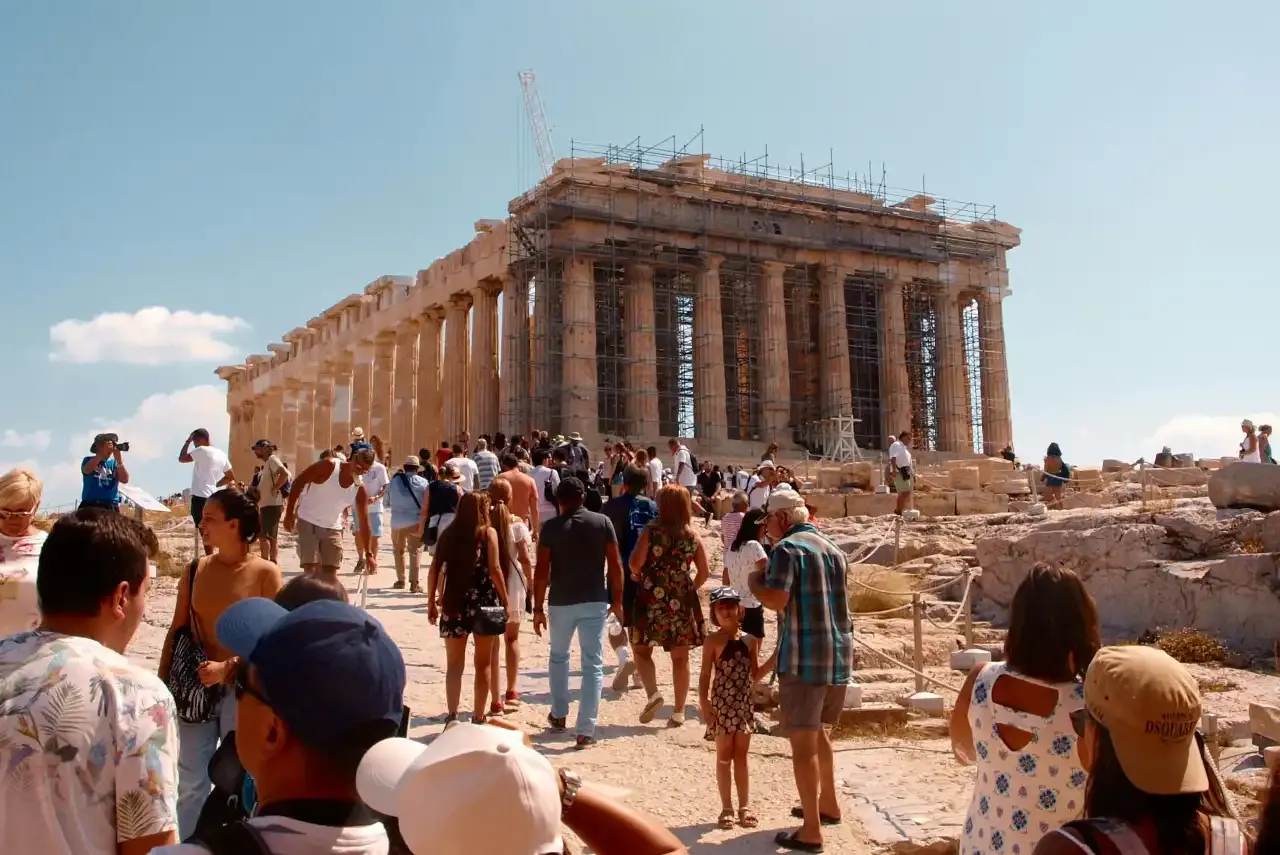
The image of the Parthenon wrapped in metal structures has become so familiar that several generations have grown up without ever seeing the monument in its full splendor. The western facade was covered by scaffolding for approximately 20 years, a continuous presence that had become a natural part of the Acropolis landscape.
However, as Lina Mendoni, the Greek Minister of Culture, pointed out in statements reported by AP News, although the west facade had been hidden for two decades, this is the first time in about 200 years that the entire exterior of the monument is free of any type of scaffolding on all its facades.
This highlights something that might have been overlooked: the Parthenon has undergone recurring restoration campaigns since the 19th century. From the restoration of the eastern facade between 1984 and 1991 to the current works, the temple has undergone successive interventions in different sections. Each phase of work required scaffolding in a specific area, so the monument as a whole had never been completely cleared.
When will the Parthenon restoration be completed?
While the current clear view is a triumph, the Greek authorities have clarified that this is a temporary interlude before the final steps of the project.
The final exterior phase
In November 2025, lighter scaffolding was reinstalled on the western facade to continue the final phase of the restoration project. However, there was a notable difference: the new scaffolding was “lighter and aesthetically much closer to the logic of the monument,” designed to minimize its visual impact for visitors.
The final exterior phase is expected to continue until early summer 2026. Minister Mendoni has promised that, once this work is concluded, the Parthenon will be truly free of these large-scale exterior structures for the long term.
The restoration of the cella: a 15-year project
Parallel to the exterior work, an even more ambitious project is being carried out inside the temple: the partial restoration of the cella, the sacred chamber that originally housed the colossal statue of Athena. This project, approved by the Central Archaeological Council of Greece (KAS), has an estimated duration of 15 years and aims to:
- Reintegrate approximately 360 original ashlars recovered from the Acropolis.
- Supplement with about 90 new blocks of Pentelic marble.
- Restore the walls to a height of between 4.5 and 10 meters.
- Return architectural “legibility” to the monument, allowing for an understanding of its original interior form.
Why such an extensive renovation?
The problem dates back to the interventions carried out by engineer Nikolaos Balanos between 1922 and 1933. During that time, iron clamps and bolts were used to join the marble blocks. This solution turned out to be catastrophic in the long run, as the iron rusted and expanded, a phenomenon known as “rust jacking”, fracturing the marble from within.
Recent work has focused on:
- Selective dismantling of key blocks from the tympanum and the back wall.
- Complete removal of the corroded iron clamps and bolts.
- Structural restoration of the damaged marble blocks.
- Reassembly with titanium, a virtually inert material that will not cause future damage.
The operation is officially described as a “rescue” intervention, underscoring the urgency of acting before the damage became irreparable.
Chronology of previous renovations
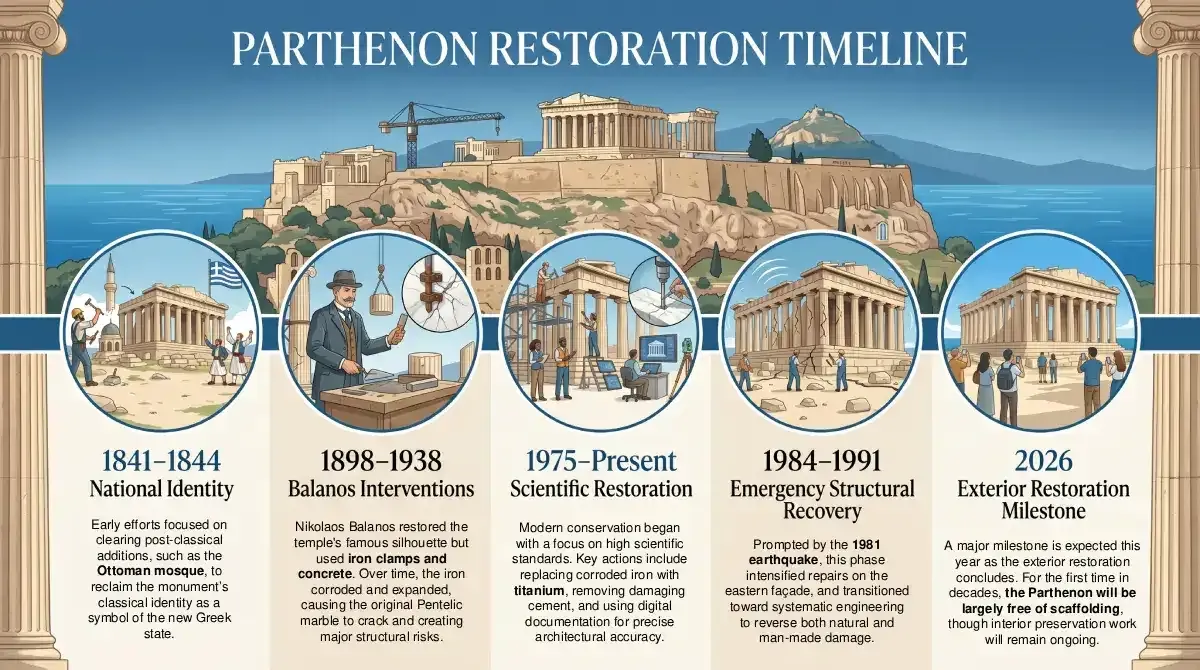
- First restorations (1841–1844): Directed by Kyriakos Pittakis and Rizos Rangabé, these interventions cleared the temple of later additions, such as a small Ottoman mosque, to present the monument as a symbol of Greek national identity.
- Restorations by Nikolaos Balanos (1898–1938): An extensive program that reconstructed a large part of the Parthenon. While it restored the familiar silhouette of the monument, the use of unprotected iron caused the structural damage being addressed today.
- Modern interdisciplinary restoration (since 1975): The Committee for the Conservation of the Acropolis Monuments (ESMA) initiated a new era of scientific restoration. This program established international standards: replacing iron with titanium, removing cement, and using exhaustive digital documentation.
- Restoration of the eastern facade (1984–1991): The first phase of the modern scientific program, focused on addressing structural issues exacerbated by the 1981 earthquake and earlier restoration damage.
The planned conclusion of the exterior work in 2026 is expected to mark a major milestone in the monument’s modern conservation history, leaving the Parthenon in one of the most structurally stable states of the modern era and restoring a clearer view of its classical proportions without massive exterior scaffolding.
More information about the Parthenon
Acropolis & Parthenon tickets
The Acropolis of Athens ticket provides direct access to one of the most iconic archaeological sites in the world, allowing visitors to explore the "Sacred Rock" and behold its classical monuments. The ticket includes entry to the Parthenon, the Propylaea, the Temple of Athena Nike, and the Erechtheion with its famous Porch of the Caryatids.
In addition to these primary structures, the access covers the Theater of Dionysus, considered the world's first theater, and the Odeon of Herodes Atticus. The ticket is subject to a mandatory time-slot system designed to manage the flow of people and ensure the preservation of the historical heritage.