
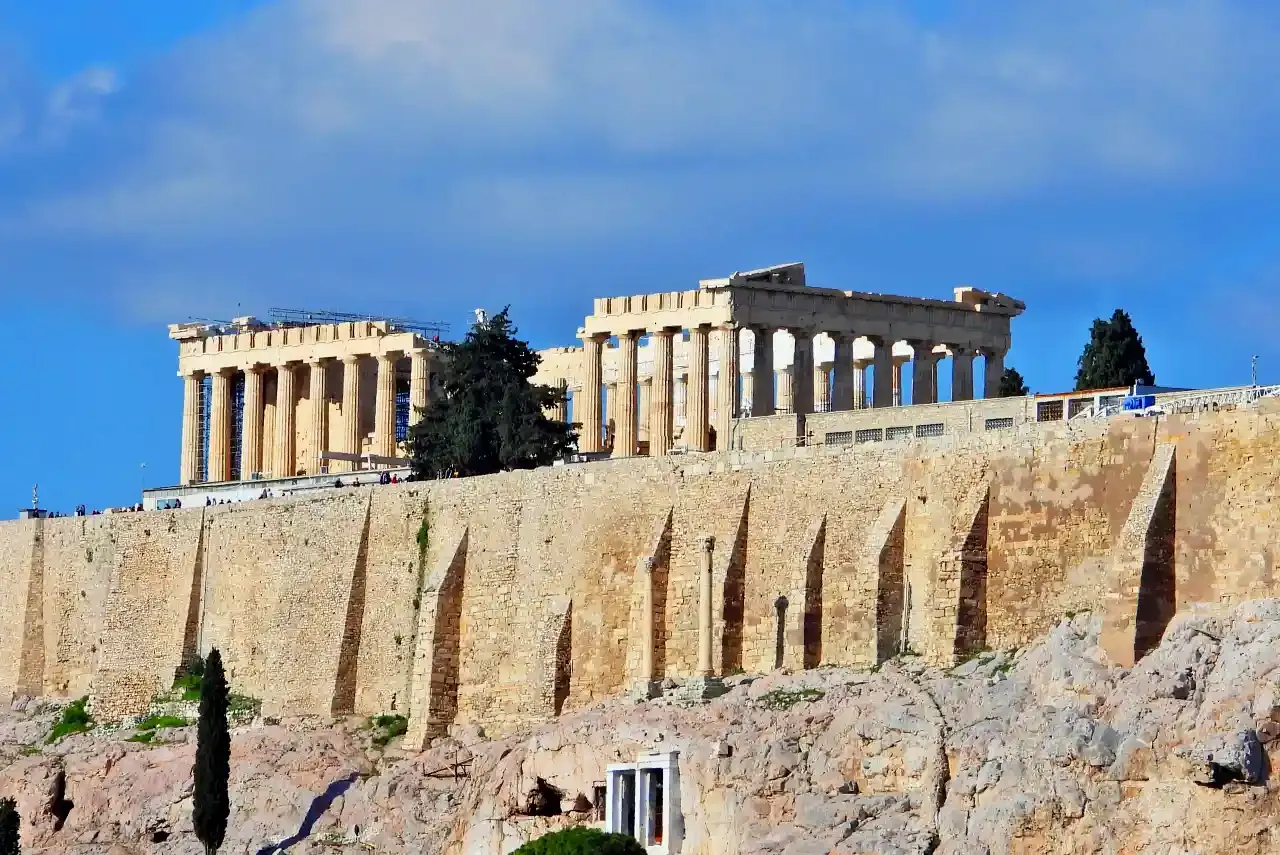
How old is the Acropolis?
The Acropolis of Athens is approximately 2,500 years old. Its most iconic buildings, such as the Parthenon, were constructed during the 5th century BC, with work beginning in 447 BC. This means the ancient citadel has stood overlooking the Greek capital for nearly two and a half millennia.
When was the acropolis built?
The Acropolis of Athens was built in the 5th century BC, with construction beginning in 447 BC. Initiated by the famous statesman Pericles, the major monuments of the citadel, including the Parthenon, were completed between 447 BC and 406 BC during the Golden Age of Athens.
This massive building project was designed to celebrate Athens' victory over the Persian invaders and to honor the goddess Athena, the city's patron deity. Master sculptors and architects like Phidias, Ictinus, and Callicrates led the construction, creating what is today considered the pinnacle of classical Greek architecture and a universal symbol of democracy.
What is the story behind the Acropolis?
The Acropolis of Athens is a testament to the rich history and culture of Greece and Western civilization. Over the centuries, the hill has been a symbol of power, prosperity and cultural achievement, and it continues to inspire awe and wonder in visitors from all over the world. Through its temples, sculptures, and artifacts, the Acropolis tells the story of the ancient Greeks and their achievements in art, architecture, and philosophy, making it one of the most important cultural landmarks in the world. It is a hill located in the center of Athens, which has played an essential role in the history and culture of Athens and Greece as a whole.
The Early History of the Acropolis
The Acropolis history began in the Neolithic period, around 4000 BC, with the first human settlements. By the Mycenaean period (1600 BC), the hill’s strategic height led to its transformation into a fortified citadel, featuring a royal palace protected by massive "Cyclopean" walls. At this stage, the site was primarily a military stronghold rather than a religious sanctuary.
The Archaic Period
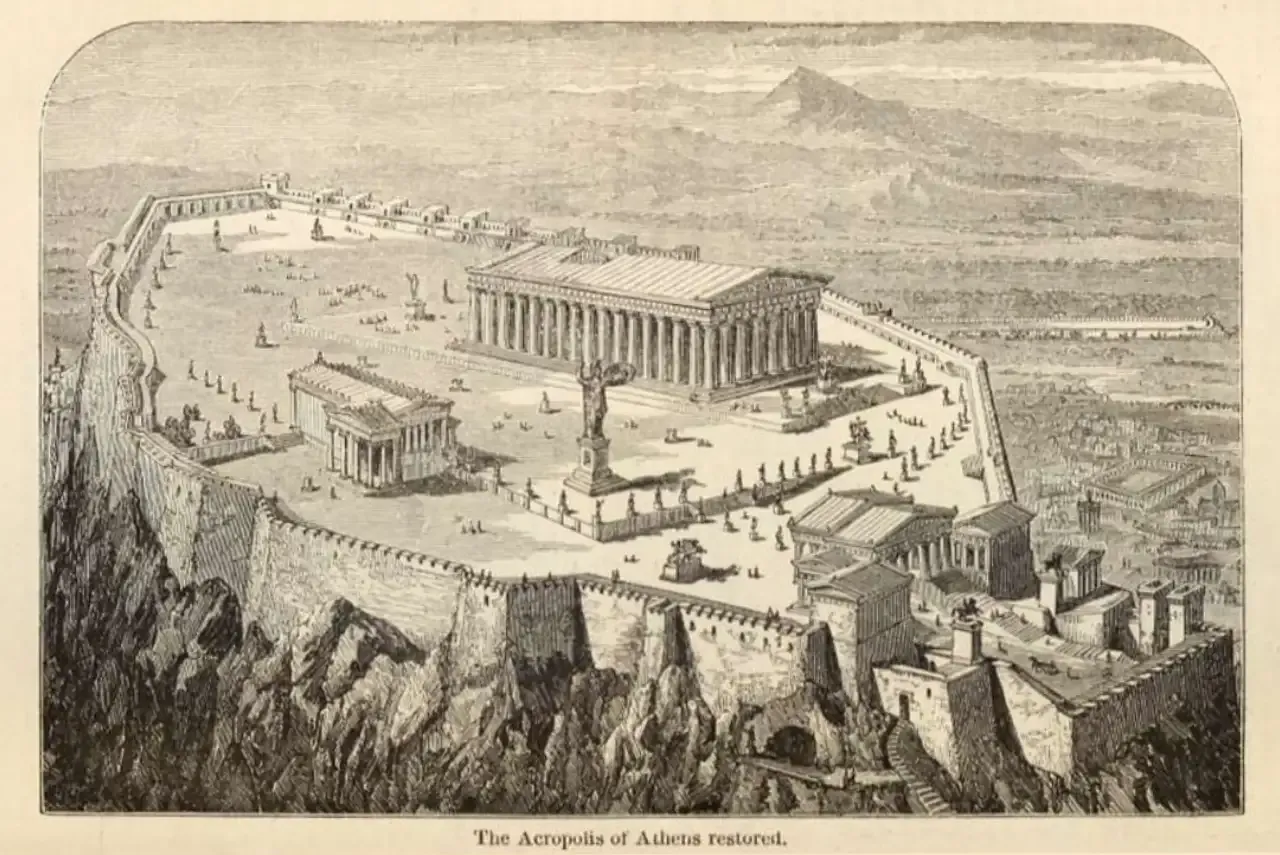
During the Archaic period (800–480 BC), the hill's function shifted from a fortress to a sacred religious center. This era saw the construction of the first grand stone monuments, most notably the Temple of Athena Polias. As the most significant structure of its time, it was dedicated to the city's patron goddess and established the Acropolis as the spiritual heart of the Greek world.
The Golden Agen of Athens
The Golden Agen of Athens
The Golden Age of Athens, which lasted from 480 to 404 BC, was a period of great prosperity and cultural growth in Athens. During this time, the Acropolis underwent significant development, including the construction of the Parthenon, which was completed in 438 BC.
The Parthenon was a magnificent temple dedicated to Athena Parthenos, the patron goddess of Athens. It was constructed with white marble and adorned with intricate sculptures and reliefs that celebrated the achievements of Athens.
The Roman and Byzantine periods
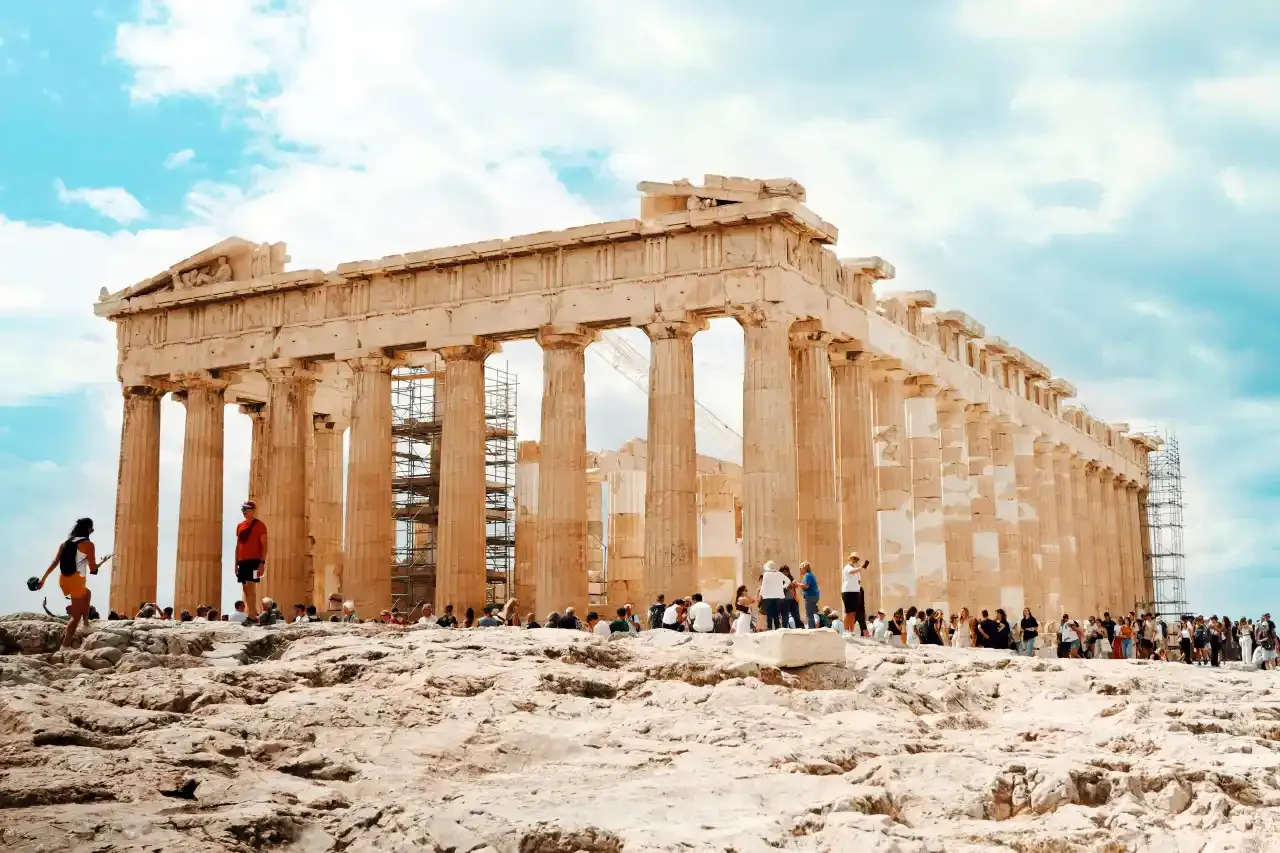
During the Roman period (146 BC-330 AD), the Acropolis was modified to fit the architectural style of the time. The Parthenon was converted into a Christian church, and many of the sculptures were removed or destroyed. In the Byzantine period (330-1453 AD), the hill was fortified, and a massive defensive wall was built around it. The Parthenon was once again converted into a Christian church, and some of the sculptures were replaced with Christian artwork.
The Ottoman period
The Ottoman period
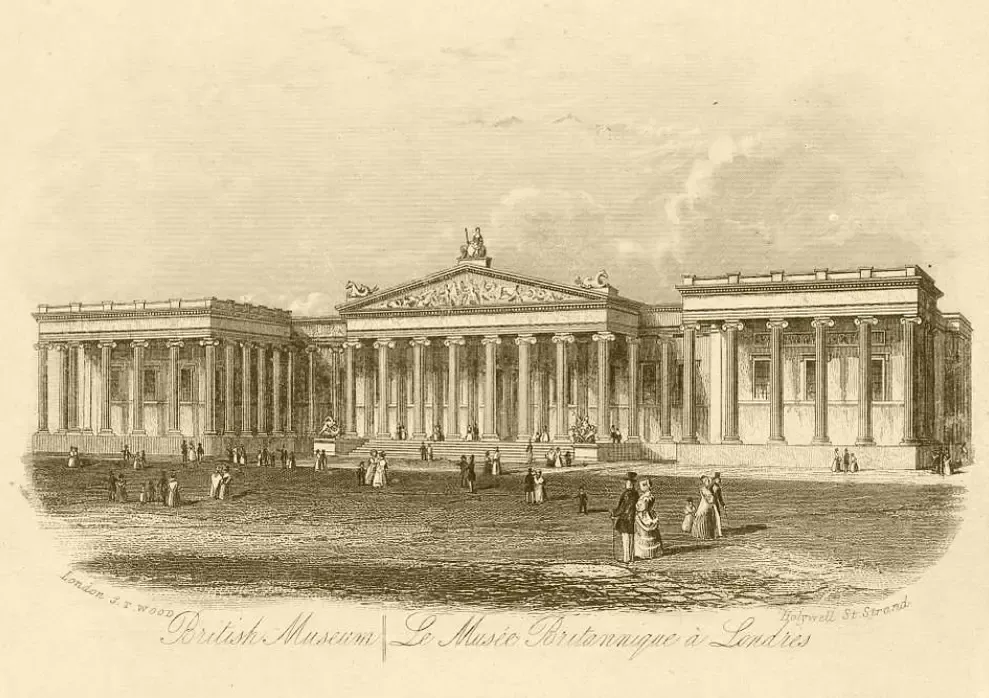
In the Ottoman period (1453-1821 AD), the Acropolis suffered significant damage due to neglect and the use of the hill as a quarry for construction material. Many of the sculptures and artifacts were removed from the hill and taken to other locations, including the British Museum in London.
The Greek War of Independence
The Greek War of Independence, which lasted from 1821 to 1832, was a pivotal moment in the history of Greece and the Acropolis. During the war, the Acropolis was used as a fortress by the Ottoman forces, and significant damage was caused to the Parthenon and other buildings on the hill. However, the war also marked the beginning of a new era for Greece, as the country gained its independence and began the process of rebuilding and restoring its cultural heritage.
The Modern Era

The Modern Era
During the 19th and 20th centuries, the focus shifted toward the systematic preservation of the site's heritage. This began in 1834 when King Otto of Greece declared the Acropolis an archaeological site and established an initial museum on the hill to protect recovered artifacts.
In the following century, the site underwent extensive structural repairs to stabilize the Parthenon, culminating in the creation of the state-of-the-art New Acropolis Museum to house the citadel's original masterpieces in a controlled environment.